When transporting dangerous cargo from the US, follow these steps to ensure safe handling and compliance:

Firstly, check regulations. Familiarize yourself with all relevant rules for dangerous goods in both the US and your destination country. Different types of dangerous goods have specific requirements. Make sure you understand the regulations for your particular cargo.

Secondly, ensure proper packaging and labeling. Use containers designed to handle the specific hazards of your material. Label all packages with the correct hazard symbols and information.

Next, prepare all required documentation. This includes shipping manifests, dangerous goods declarations, and any necessary permits or licenses.

Then, select a suitable transportation method. Whether by air, sea, road, or rail, ensure the carrier is authorized and equipped to handle dangerous goods safely.

Implement robust safety measures throughout the transportation process. Train personnel handling the cargo and use specialized equipment for loading and unloading. Follow emergency response procedures.

Additionally, maintain clear communication. Inform all relevant parties, including the shipper, carrier, and recipient, about the shipment. Ensure everyone understands their responsibilities and emergency procedures.

Develop and maintain an emergency response plan for accidents or incidents. Include procedures for spill containment, notifying authorities, and safeguarding personnel and the public.

Lastly, perform regular compliance checks. Review and update your procedures to stay compliant with regulations and best practices for dangerous goods transportation.

By adhering to these guidelines, you can ensure the safe and compliant transportation of dangerous cargo, protecting both people and the environment.

A Shipper's Export Declaration (SED) is essential for shipments from the US. It is required by the United States Census Bureau to compile official export statistics. You must file it for shipments that exceed certain value thresholds or need an export license.

For freezer goods, the SED must detail the items accurately. Include their description, value, quantity, and destination. Reflect any specific handling requirements or export controls for perishable or temperature-sensitive goods.

The SED serves several important functions:

  1. Export Statistics Collection: It aids in gathering official export data.
  2. Regulatory Compliance: It ensures adherence to export regulations and licensing requirements.
  3. Economic Data: It contributes to economic analysis and reporting.

Accurate completion and timely submission of the SED are vital. It ensures compliant and efficient export of freezer goods and other items from the United States.


China Top Forwarder specializes in LCL (Less than Container Load) shipping from China to the U.S. Virgin Islands. Our streamlined LCL services ensure cost-effective transportation of smaller cargo volumes, offering flexibility and efficiency. With our global network and experienced logistics professionals, we guarantee reliable handling and timely delivery, maintaining high standards of quality and security. Choose China Top Forwarder for dependable LCL shipping solutions, facilitating seamless trade between China and the U.S. Virgin Islands.

China Top Forwarder specializes in LCL (Less than Container Load) shipping from China to the U.S. Virgin Islands. Our services ensure cost-effective transportation of smaller cargo volumes. We offer flexibility and efficiency for your shipments. With our global network and experienced logistics professionals, we guarantee reliable handling and timely delivery. We maintain the highest standards of quality and security. Choose China Top Forwarder for dependable LCL shipping solutions, facilitating seamless trade between China and the U.S. Virgin Islands.


If you need delivery to the port of Kotka without onward transportation, this arrangement is common in international shipping. Specify to your supplier or shipping company that you only need delivery to Kotka port. The goods will be transported to Kotka and unloaded at the port facilities. After arrival, arrange for further handling or transportation. This could include storing goods at the port, loading them onto another vessel, or moving them inland by rail or road.

Clearly communicate your requirements to the supplier or shipping company to ensure they understand the delivery specifics. Coordinate with port authorities or a logistics provider to manage the goods once they arrive at the port.

  1. Plan Ahead: Arrange the transportation and delivery of your goods well in advance. This approach provides ample time to handle any contingencies or potential delays.

    Ensure Accurate Documentation: Prepare and review all necessary documents and permits before delivery. This includes transportation documents, customs paperwork, and any specific documents required for your destination.

    Compliant Packaging and Labeling: Package and label your goods according to transportation and customs requirements. Use the correct labels, identify any hazardous materials if applicable, and follow all packaging regulations.

    Communicate with the Carrier: Maintain close communication with your shipping carrier. Track the shipment’s progress and address any issues or potential delays promptly.

    Monitor Regulations and Requirements: Stay updated on changes in regulations or requirements that could impact your shipment. Ensure compliance with all relevant laws and guidelines.

    Address Potential Issues Early: Identify and address any anticipated challenges proactively. This helps minimize their impact on the shipment schedule.

    Plan for Customs Clearance: Complete all necessary customs clearance procedures accurately and on time. This helps avoid delays at customs checkpoints.

    By implementing these proactive measures, you can reduce the likelihood of delays and ensure a smoother transportation and delivery process for your goods.

  1. Choose a Shipping Method: Select the best option for your cargo—sea, air, rail, or road. Consider factors such as cargo type, urgency, cost, and infrastructure.

    Select a Freight Forwarder or Shipping Line: Engage a freight forwarder or shipping line experienced in shipping to Armenia. They will provide details on routes, transit times, rates, and specific requirements for Yerevan.

    Prepare Documentation: Complete essential shipping documents. Include the bill of lading, commercial invoice, packing list, and other required papers for customs clearance. Ensure accuracy to avoid delays.

    Packaging and Labeling: Package and label your cargo as per shipping regulations. Use durable materials and secure fragile items. Clearly label each package with destination details and handling instructions.

    Arrange Transportation to Port/Airport: Coordinate the transport of your cargo to the nearest port or airport. Work with your freight forwarder or shipping line to ensure timely delivery.

    Customs Clearance: Complete customs formalities and obtain necessary export licenses or permits. Provide all required documentation for departure and arrival customs clearance.

    Track Shipment: Monitor your shipment’s progress. Stay in touch with your freight forwarder or shipping line for updates on transit times and potential issues.

    Receive Cargo in Yerevan: Once your cargo arrives in Yerevan, arrange for pickup or delivery from the port or airport. Collaborate with a local logistics provider or customs broker for customs clearance and inland transport.

    By following these steps and working closely with your shipping partners, you ensure efficient and successful delivery to Yerevan.

China Top Forwarder offers efficient warehousing solutions to handle your cargo needs. While I can't provide physical facilities, numerous logistics companies and freight forwarders offer reliable warehousing services. These services include short-term and long-term storage, distribution, and inventory management.

To find a suitable warehouse, follow these steps:

  1. Research Logistics Companies: Look for reputable logistics providers near your area or the port of departure. Evaluate their services, facilities, and pricing.

  2. Contact Local Warehousing Providers: Search for local warehousing providers close to your location or port. Inquire about their storage options and availability.

  3. Utilize Online Platforms: Use online logistics platforms to connect with warehouse providers. Compare quotes, services, and reviews to choose the best fit for your needs.

  4. Seek Recommendations: Ask businesses or industry contacts for recommendations based on their warehousing experiences.

Once you select a warehouse provider, arrange to drop off your cargo for storage and shipment. Discuss details such as storage duration, handling fees, and any additional services like packing or labeling.

China Top Forwarder ensures a seamless warehousing and logistics experience for your cargo needs, making your shipping process efficient and straightforward.

  1. Prepaid Freight: In this method, the shipper (seller) pays the freight charges upfront before the goods are transported. Typically, this cost is included in the overall sales price.

    Collect Freight: Here, the recipient (buyer) pays the freight charges upon delivery. The carrier collects the shipping fees from the consignee before releasing the cargo.

    Third-Party Billing: A third party, such as a logistics provider or freight forwarder, may cover the freight charges on behalf of the shipper or consignee. The third party then invoices the appropriate party for these costs.

    Freight Prepaid and Add: The shipper pays the freight charges upfront and adds these costs to the invoice sent to the buyer. The buyer reimburses the shipper for the shipping fees along with the cost of the goods.

    Freight Collect and Add: The buyer pays for the freight charges upon delivery. These costs are added to the invoice sent by the seller. The seller then reimburses the buyer for the shipping fees.

    Freight Forwarder Payments: When using a freight forwarder, the shipper may have the forwarder handle the payment of transportation charges. The forwarder then invoices the shipper for these costs plus any additional services provided.

    Letter of Credit (L/C): In international trade, letters of credit facilitate payment. The buyer's bank issues a letter of credit, guaranteeing payment to the seller upon presentation of specific documents, including proof of shipment and freight payment.

    Each payment method has its own benefits and considerations, depending on factors like cash flow, risk management, and negotiated terms. It’s crucial for all parties to agree on the payment method and terms in advance to avoid misunderstandings or disputes.

Yes, choosing the right shipping method is crucial for efficient and cost-effective cargo delivery. Several factors influence this decision:

  1. Nature of the Goods: Different goods require different shipping methods. Perishable items need expedited shipping, while bulky goods suit ocean freight better.

  2. Urgency: If speed is essential, opt for air freight. It is faster but typically more expensive than sea freight.

  3. Cost: Assess each method's cost-effectiveness based on your budget. Sea freight is usually cheaper for large volumes, while air freight is better for smaller, high-value shipments.

  4. Distance: Longer distances often favor sea freight due to lower costs per unit. For shorter distances, air freight can be more competitive.

  5. Infrastructure: Evaluate the transportation infrastructure at both the origin and destination. Choose a method that aligns with the available infrastructure for smooth transit.

  6. Regulatory Requirements: Ensure compliance with customs regulations and any specific requirements, such as import/export controls or hazardous materials regulations.

By considering these factors, you can optimize cargo transportation and minimize costs and delays. Partnering with experienced logistics providers, like China Top Forwarder, will help you select the most suitable shipping method for your needs.

The maximum size and weight of shipments depend on the chosen transportation mode and company regulations. Here are some common limitations:

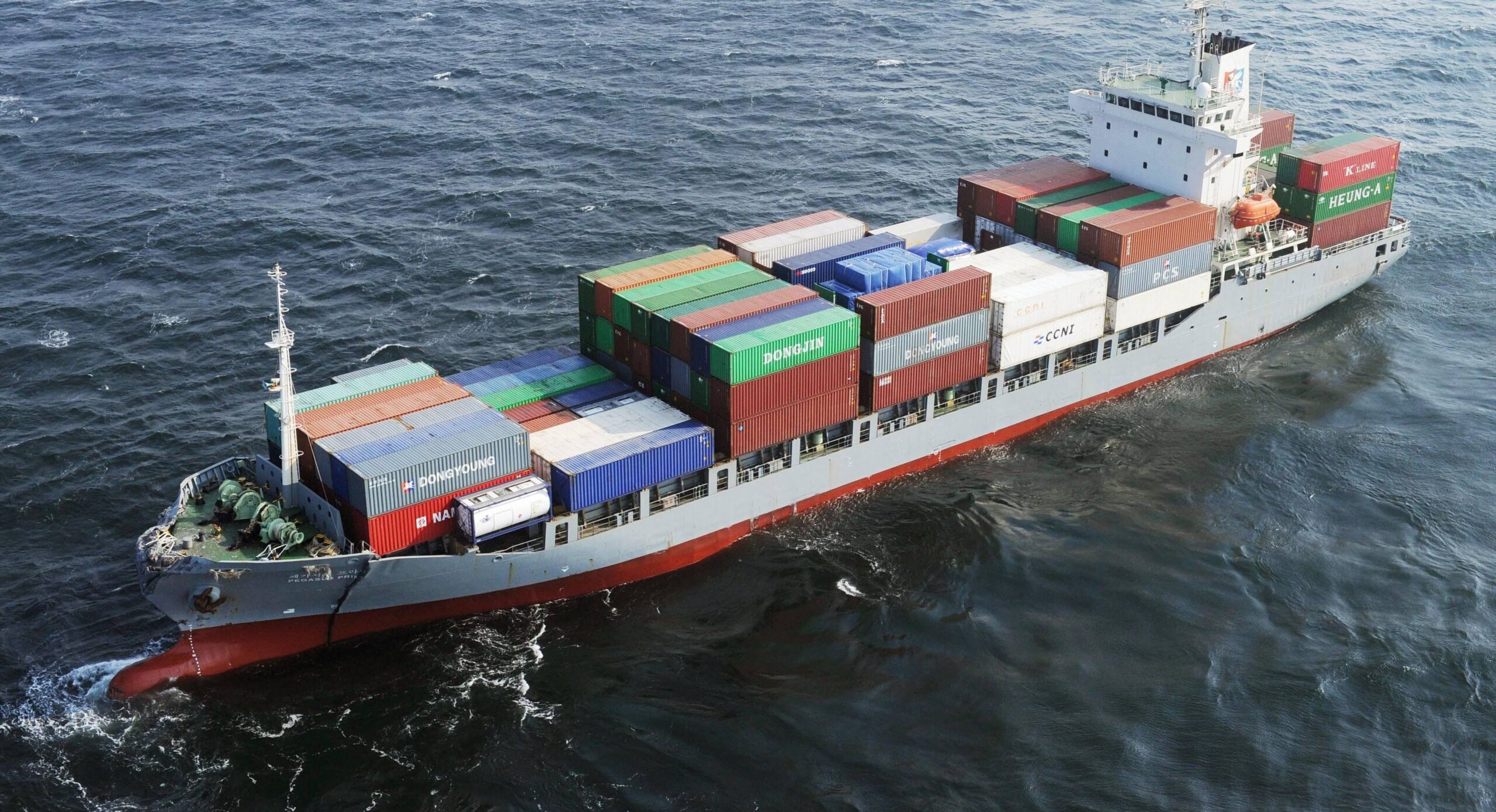
Sea Freight: Sea freight handles larger sizes and weights. Standard containers are usually 20 or 40 feet long, 8 feet wide, and 8.5 feet high. High cube containers are 9.5 feet high. However, specific routes or ports may impose restrictions. Therefore, inquire with the shipping company or port before selecting.

Air Freight: Air freight has strict size and weight limits due to limited aircraft cargo space. Airlines set maximum limits for shipments. Generally, weight limits range from 100 kilograms to several tons. Size limits depend on airline regulations.

Land Transportation: Land transportation limits vary based on vehicle type and company policies. Large trucks and trailers accommodate larger sizes and weights. However, height or width restrictions may apply in certain areas.

Understanding the size and weight limitations of the shipping company helps avoid delays and inconveniences. Always verify these details before choosing your transportation method.

Get In Touch

Have Any Query

Contact

Get In Touch From Here.

Services

What we do

Services

img

Sea Freight

China Top Forwarder delivers dependable ocean shipping services with our comprehensive sea freight solutions. We serve major ports globally, ensuring efficient and secure transport options. Our services are tailored to meet various customer needs effectively.


img

Air Freight

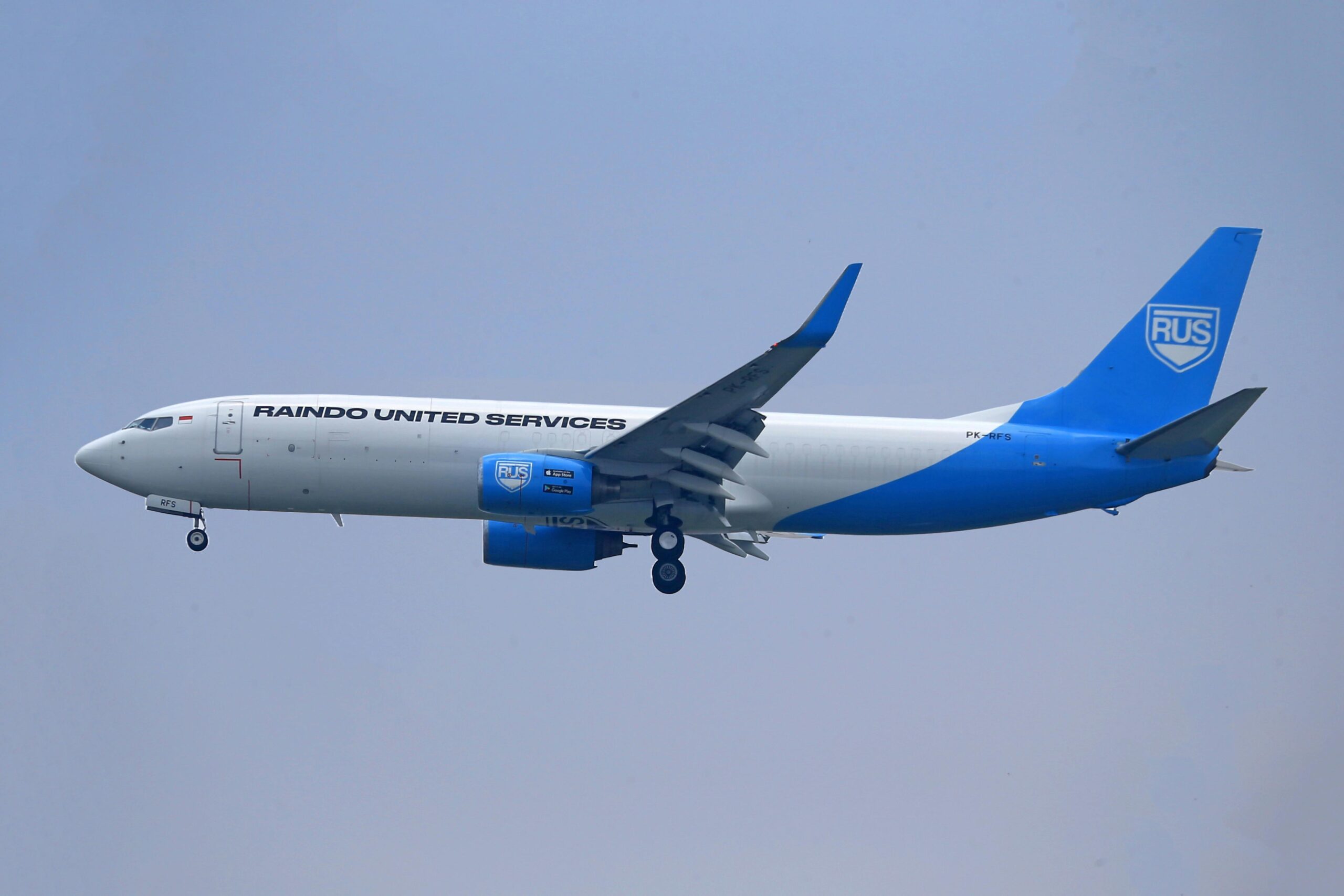
China Top Forwarder offers swift and dependable air cargo services, connecting major airports worldwide. We prioritize efficient and secure air transportation, ensuring your urgent cargo is handled with speed and reliability. Trust China Top Forwarder for prompt and secure air shipping solutions tailored to your needs.

img

Rail Freight

China Top Forwarder is dedicated to providing reliable rail freight services, connecting China with nations along the Silk Road. We deliver efficient and secure rail solutions for your global trade needs. Our services ensure smooth and dependable transportation for your cargo.


img

Door To Door

China Top Forwarder offers comprehensive door-to-door services for cargo transportation from start to finish. Our end-to-end solutions include pick-up, transit, and delivery. We ensure your goods reach their destination safely and on time. By streamlining your global trade operations, we prioritize efficiency and reliability.