
Container Shipping Cost China Export Global Rates in 2026
Managing international logistics requires a deep understanding of container shipping cost china export global rates to maintain a competitive market position. Businesses must balance speed and budget when selecting professional freight partners like chinabestforwarder to ensure seamless delivery across borders. This guide provides detailed insights into current market trends and pricing strategies for the 2026 fiscal year.

What Factors Influence Container Shipping Cost China Export Global Rates?
Several variables determine the final price you pay for transporting goods from Chinese factories to international destinations. Fuel prices, often referred to as Bunker Adjustment Factors, remain the most volatile component in the pricing equation for 2026. Consequently, shippers must monitor global oil market trends to anticipate sudden spikes in ocean freight expenses.
Port congestion and labor availability also play significant roles in determining current global export rates. For instance, delays at major hubs like Shanghai or Ningbo can lead to surcharges that increase the total landed cost. Furthermore, carrier capacity management strategies often involve blank sailings, which reduce supply and drive prices upward during peak demand periods.
Currency fluctuations between the Chinese Yuan and the US Dollar significantly impact the base rates for international contracts. Therefore, many importers utilize forward contracts or hedging strategies to stabilize their logistics budgets against exchange rate volatility. In addition, seasonal demand spikes during the Golden Week or Lunar New Year periods continue to create predictable but sharp price increases.
How to Calculate Total Landed Costs for China Exports?
Calculating the true cost of an export shipment involves much more than just the ocean freight rate quoted by a carrier. You must account for origin charges, including trucking from the factory to the port and terminal handling charges. Additionally, documentation fees and export clearance costs are essential components of the initial budget.
Import duties and taxes at the destination country represent a major portion of the total landed cost for global trade. Moreover, local delivery from the port of discharge to the final warehouse can sometimes exceed the cost of the ocean transit itself. As a result, savvy businesses perform a full cost analysis before finalizing purchase orders with Chinese suppliers.
Insurance premiums should never be overlooked when calculating your container shipping cost china export global rates. While basic carrier liability exists, it rarely covers the full value of high-value cargo in the event of a maritime disaster. Consequently, purchasing comprehensive marine insurance is a standard best practice for protecting your financial interests.
Sea Freight vs. Air Freight: Which is More Cost-Effective?
Choosing between sea freight and air freight depends largely on your shipment volume and required delivery speed. Sea freight remains the most economical choice for large-scale shipments of consumer goods, furniture, or heavy machinery. On the other hand, air freight offers unparalleled speed for high-value electronics or urgent inventory replenishment.
Market data for 2026 suggests that sea freight costs are approximately 80 percent lower than air freight on a per-kilogram basis for long-haul routes. However, the longer transit times associated with ocean transport require businesses to hold more inventory in the pipeline. Therefore, the choice involves a trade-off between immediate transport costs and long-term inventory carrying costs.
Intermediate options like sea-air hybrid solutions have gained popularity for shipments that are too heavy for planes but too urgent for ships. These solutions typically involve shipping by sea to a hub like Dubai or Singapore and then flying the cargo to its final destination. Indeed, this approach can save 30 to 50 percent of the cost compared to pure air freight while cutting transit time in half.
| Method | Avg Cost (USD) | Transit Time | Ideal For |
|---|---|---|---|
| Sea (FCL 40HQ) | $3,000 – $4,500 | 25-40 Days | Bulk/Heavy Goods |
| Air Freight (500kg) | $2,500 – $4,000 | 3-7 Days | High-Value/Urgent |
| Rail (40HQ) | $5,500 – $7,500 | 15-22 Days | Mid-Tier Value |
| Express (50kg) | $400 – $600 | 2-4 Days | Samples/Small Parcels |
How Does Sea Freight Compare to Other Shipping Options?
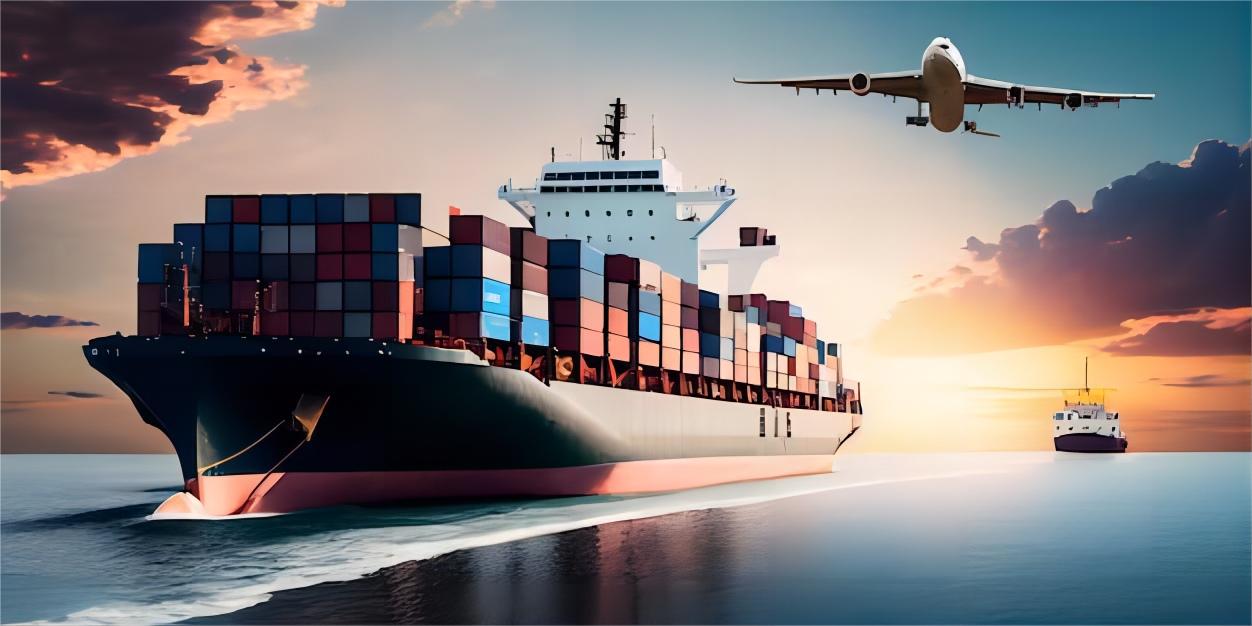
When analyzing container shipping cost china export global rates, it is vital to consider alternative modes of transport available in 2026. While ocean transport is the backbone of global trade, rail and road options provide unique advantages for specific geographical corridors. Specifically, the Silk Road rail link offers a middle ground for shipments destined for Central Asia and Europe.
Rail freight costs are generally higher than sea freight but significantly lower than air transport. This method is particularly effective for automotive parts and high-end textiles that require faster delivery than a ship can provide. Nevertheless, rail infrastructure is subject to geopolitical stability and can face disruptions that ocean routes typically avoid.
Road freight has emerged as a viable alternative for shipments moving from Western China into neighboring regions and even parts of Europe. This method provides door-to-door flexibility that neither rail nor sea can match without additional transshipment. Consequently, it is often used for specialized equipment or hazardous materials that face strict regulations on other modes.
| Method | Cost Range | Transit Time | Key Limitation |
|---|---|---|---|
| Sea Freight | Low ($) | 30-45 Days | Slowest Speed |
| Rail Freight | Medium ($$) | 18-24 Days | Limited Routes |
| Air Freight | High ($$$$) | 3-7 Days | Weight Limits |
| Sea-Air Hybrid | Medium ($$$) | 15-20 Days | Complex Handling |
What are the Current 2026 Freight Rate Benchmarks?
As of early 2026, freight rates from China have stabilized following the supply chain rebalancing of the previous year. For example, a standard 40-foot high cube container from Shanghai to the US West Coast currently averages between 2,800 and 3,800 dollars. In contrast, shipments to the US East Coast command a premium due to the longer distance and canal transit fees.
Rates to European ports like Rotterdam or Hamburg have seen a slight increase due to new environmental regulations and carbon emission taxes. Consequently, shippers should budget for an additional 200 to 400 dollars per container for Green Surcharges in 2026. Moreover, demand for Mediterranean routes remains strong, keeping prices competitive but firm.
Note: Freight rates are subject to change based on fuel costs, carrier capacity, and seasonal demand. Contact us for a current quote tailored to your specific shipment.
| Route (From China) | 20GP Container | 40HQ Container | Est. Transit |
|---|---|---|---|
| To USA West Coast | $1,800 – $2,400 | $2,800 – $3,800 | 14-18 Days |
| To USA East Coast | $2,800 – $3,600 | $4,500 – $5,800 | 30-35 Days |
| To North Europe | $2,000 – $2,600 | $3,200 – $4,400 | 30-38 Days |
| To Australia | $900 – $1,300 | $1,500 – $2,100 | 12-20 Days |
Why Do Seasonal Fluctuations Affect Global Export Rates?
The rhythm of global trade is dictated by seasonal peaks that cause container shipping cost china export global rates to fluctuate significantly. The most prominent peak occurs in the months leading up to the year-end holiday season, typically starting in August. During this period, retailers rush to stock shelves, leading to space shortages and premium pricing.
Another critical period is the weeks preceding the Lunar New Year when factories in China prepare to close for the holiday. Shippers often face a desperate scramble for container equipment and vessel space as manufacturers push to finish all pending orders. Furthermore, rates often drop precipitously immediately after the holiday as production resumes slowly.
Weather patterns also contribute to seasonal volatility, particularly during the typhoon season in the South China Sea. Port closures and vessel diversions during these events can create backlogs that take weeks to clear. Therefore, building a buffer into your delivery schedule during these months is a prudent logistical strategy.
Can You Reduce Shipping Costs Through Better Planning?
Implementing a door to door strategy can often simplify your supply chain and reveal hidden cost-saving opportunities. By consolidating shipments into Full Container Loads (FCL) instead of Less than Container Loads (LCL), you can significantly reduce the cost per unit. Additionally, optimizing your packaging to maximize container space utilization prevents paying for the transport of empty air.
Booking your shipments at least three to four weeks in advance allows you to secure better rates and guaranteed space on vessels. Moreover, being flexible with your departure ports can lead to savings if one hub is less congested than another. For instance, shipping from a secondary port like Xiamen might be cheaper than using the primary Shanghai terminals during peak periods.
Negotiating long-term contracts with freight forwarders can provide price stability in a volatile market. While spot rates might occasionally be lower, a fixed-rate agreement protects your margins from sudden market spikes. In addition, leveraging digital tracking tools helps identify bottlenecks in your supply chain where time and money are being wasted.
Real-World Case Studies: China Export Success Stories
Case Study 1: Efficiency in Electronics Export. Route: Shenzhen, China to Long Beach, USA. Cargo: Consumer Electronics, 68 CBM, 12,000 kg. Container: 40HQ. Shipping Details: Direct service via major carrier. Ocean Freight: $3,150. Origin/Dest Charges: $850. Total Landed Cost: $4,000. Timeline: 16 days door-to-port. Key Insight: Early booking during Q2 2026 avoided the 15 percent price hike seen in Q3.
Case Study 2: Industrial Machinery to Europe. Route: Ningbo, China to Hamburg, Germany. Cargo: Industrial Lathe Parts, 25 CBM, 18,000 kg. Container: 20GP. Shipping Details: Transshipment via Singapore. Ocean Freight: $2,200. Origin/Dest Charges: $950. Total Landed Cost: $3,150. Timeline: 34 days total. Key Insight: Utilizing shipping from China to Europe via transshipment saved $400 compared to direct routes.
Case Study 3: Seasonal Furniture Rush. Route: Foshan, China to Sydney, Australia. Cargo: Home Furniture, 30 CBM, 5,000 kg. Container: 20GP. Shipping Details: Direct carrier. Ocean Freight: $1,100. Customs and Duties: $600. Total Landed Cost: $1,700. Timeline: 18 days. Key Insight: Proper documentation and early customs filing prevented costly port storage fees during the busy December period.
Which Option Should You Choose?
Selecting the right shipping strategy depends on your specific business priorities and the nature of your products. If your primary goal is budget priority, then sea freight FCL is undoubtedly the most suitable option for large volumes. However, for smaller shipments under 15 CBM, LCL shipping provides a cost-effective way to share container space with other importers.
When speed priority is the main concern, air freight or express services are the only viable choices despite their higher costs. For mid-tier value goods that require a balance between cost and speed, rail freight offers an excellent alternative for land-locked destinations. Furthermore, consider the cargo type; perishable goods or hazardous materials will always dictate specific handling requirements that may limit your choices.
Volume thresholds often determine when it is time to switch from one method to another. For example, once your LCL shipment reaches 15 or 20 CBM, it often becomes cheaper to pay for a full 20GP container. Consequently, regularly auditing your shipment sizes and frequencies allows you to adapt your strategy as your business grows.
What Documentation is Required for Global Container Shipping?
Accurate documentation is the foundation of a smooth export process and helps avoid unnecessary fines or delays. The Bill of Lading serves as the contract of carriage and the title to the goods, making it the most critical document in the set. Additionally, a detailed Commercial Invoice and Packing List are required for customs brokerage teams to verify the shipment contents.
Specific products may require additional certifications, such as a Certificate of Origin to qualify for preferential tariff treatments. Moreover, Material Safety Data Sheets (MSDS) are mandatory for any cargo classified as dangerous goods. Furthermore, ensuring that all descriptions and HS codes are accurate will prevent your cargo from being flagged for inspection by customs authorities.
Digital documentation has become the standard in 2026, with many ports requiring electronic filing before the vessel even arrives. Therefore, working with a forwarder that utilizes modern EDI systems ensures that your paperwork moves as fast as your cargo. In addition, keeping digital copies of all records for at least five years is essential for compliance and potential tax audits.
| Document Name | Purpose | Required By | Timing |
|---|---|---|---|
| Bill of Lading | Title of Goods | Carrier/Customs | At Loading |
| Commercial Invoice | Valuation | Customs | Pre-Departure |
| Packing List | Cargo Details | Warehouse/Port | At Loading |
| Cert. of Origin | Tariff Rate | Customs | Pre-Arrival |
Mastering Your Export Strategy
To summarize, understanding the complexities of container shipping cost china export global rates allows businesses to make informed decisions that protect their bottom line. By considering factors like seasonality, mode of transport, and documentation accuracy, you can navigate the 2026 logistics landscape with confidence.
Indeed, the right partnership with an experienced freight forwarder can turn logistics from a headache into a competitive advantage. Stay proactive in your planning, monitor market benchmarks regularly, and always seek ways to optimize your container shipping cost china export global rates for long-term success.
Need a tailored shipping solution?
Optimizing your container shipping cost china export global rates is essential for maintaining profitability in today’s competitive market. Contact our expert team at chinabestforwarder to receive a personalized quote and streamline your supply chain today. Visit our website to explore our full range of logistics solutions. Send Inquiry link: