
Ocean Freight China to Canada Container Rates and Service Guide 2026
Navigating the complexities of ocean freight China to Canada container rates requires a strategic approach to ensure your supply chain remains efficient and cost-effective. Whether you are a first-time importer or a seasoned business owner, finding reliable logistics partners like China Best Forwarder is essential for success. This guide provides actionable insights into modern shipping routes, current market pricing, and expert strategies to optimize your cargo movement.
Understanding Ocean Freight China to Canada Container Rates
Current ocean freight China to Canada container rates fluctuate based on seasonal demand, bunker adjustment factors, and port congestion levels. During peak seasons, such as the months leading up to the holidays, importers often face increased costs and limited capacity.
To manage these costs, businesses should prioritize long-term planning and secure bookings well in advance. Furthermore, understanding the difference between FCL (Full Container Load) and LCL (Less than Container Load) is vital for budget optimization. By choosing the right container size, you can significantly reduce your per-unit shipping expenses.
Additionally, leveraging professional sea freight services allows for better tracking and more predictable delivery schedules. As of 2026, market data suggests that direct routes to major Canadian ports like Vancouver and Prince Rupert remain the most efficient options for most North American businesses.
Key Logistics Services for Your Supply Chain
Managing international trade requires a comprehensive suite of services to ensure smooth transit. For instance, utilizing door to door shipping simplifies the process by handling every stage from the factory in China to your warehouse in Canada.
Moreover, if you are scaling your e-commerce business, specialized Amazon FBA logistics solutions can streamline your inventory replenishment. These services are designed to meet strict platform requirements, thereby preventing potential delays at fulfillment centers.
Finally, do not overlook the importance of customs brokerage to navigate complex import regulations. Professional brokers ensure that your documentation is accurate, which helps avoid costly fines or extended hold times at the border.
How Does Ocean Freight Compare to Other Shipping Options?
Choosing the right shipping method involves balancing speed, cost, and cargo volume. While ocean freight is the industry standard for bulk goods, other methods offer unique advantages for specific scenarios.
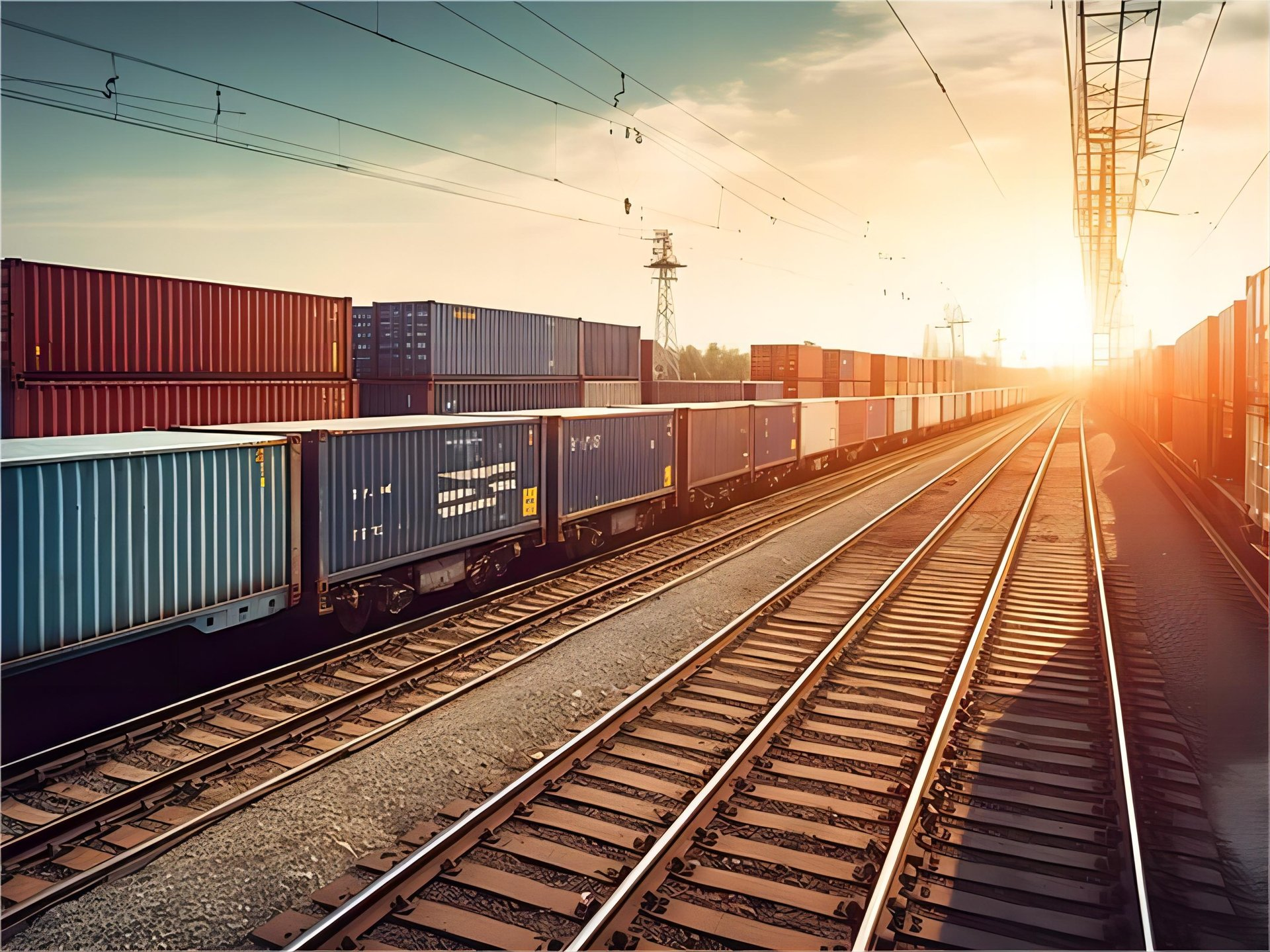
For example, if your goods are time-sensitive, air freight provides the fastest transit time, albeit at a higher premium. Conversely, for inland destinations where speed is moderate but reliability is key, rail freight serves as an excellent intermediate solution.
The following table highlights the differences between common transit modes for your reference.
| Method | Cost Range | Transit Time | Best For |
|---|---|---|---|
| Ocean Freight | Low | 20-35 days | Bulk/Heavy Items |
| Air Freight | High | 3-7 days | Urgent/High Value |
| Rail Freight | Medium | 15-22 days | Inland Hubs |

Real Case Studies in Trans-Pacific Shipping
Examining past shipments helps illustrate how logistics strategies translate into real-world results. Below are two examples of successful logistics management.
Case Study 1: Electronics retailer shipping from Shenzhen to Vancouver. By utilizing a 40HQ container via direct sea freight, they reduced their landed cost by 15% compared to previous years. Total transit time was 22 days, inclusive of customs clearance.
Case Study 2: Furniture importer shipping from Ningbo to Toronto. They opted for LCL shipping to manage smaller order volumes. Despite transshipment delays, the professional handling of documentation ensured no additional storage fees occurred at the port.
Final Thoughts on Ocean Freight China to Canada Container Rates
Securing the best ocean freight China to Canada container rates requires a combination of market knowledge, reliable partnerships, and careful planning. By evaluating your volume, budget, and timeline, you can select the shipping method that best serves your business goals.
Remember that logistical success is built on consistent communication and proactive problem-solving. We encourage you to review your current supply chain and explore how professional freight forwarding services can enhance your operational efficiency throughout 2026.
Get Your Shipping Quote Today
Are you ready to optimize your shipping strategy? Contact our team today to get a competitive quote for your next ocean freight China to Canada container shipment. Visit our website to start your inquiry .
Frequently Asked Questions
What is the average transit time for ocean freight from China to Canada?
Typically, sea freight from major Chinese ports to Canada takes between 20 and 35 days depending on the destination port and the specific shipping route.
How can I reduce my shipping costs?
Reducing costs is often achieved by consolidating smaller shipments into FCL containers, booking in advance to avoid peak season premiums, and optimizing your packaging to maximize CBM.
What documents are required for importing to Canada?
You will generally need a commercial invoice, a packing list, a bill of lading, and any specific certificates of origin or compliance documents required by the Canada Border Services Agency.
Is insurance necessary for my cargo?
Yes, cargo insurance is highly recommended. It protects your business against financial loss due to damage, theft, or unforeseen events during transit.
What is the difference between FCL and LCL?
FCL stands for Full Container Load, where you pay for the entire container. LCL stands for Less than Container Load, where you share container space with others, which is cheaper for smaller volumes.
How do fuel surcharges affect my freight rate?
Fuel surcharges, often listed as BAF (Bunker Adjustment Factor), are variable costs that carriers add to base rates to account for fluctuating global oil prices.