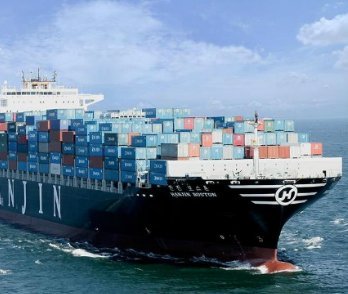
Malaysia is a key market for us, as many of our customers are located there. Through our contract rates with top carriers such as COSCO, OOCL, APL, EMC, MSK, and HMM, we can offer excellent freight rates for shipments from China to any port in Malaysia.
Partnering with China Best Forwarder makes shipping from China to Malaysia effortless. Simply hand over your goods to us, and we’ll take care of everything. China Best Forwarder is dedicated to being your top freight forwarder from China to Malaysia. Request a better quote today.
We offer competitive ocean freight rates and tailored shipping solutions to meet your required transit time when shipping from China to any port in Malaysia, including inland ports.
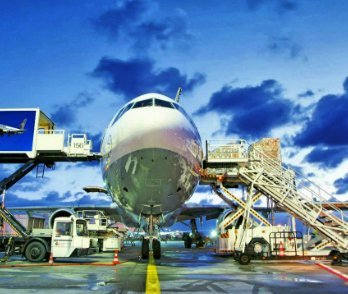
We will select the most suitable airline for your shipment based on your time requirements. China Best Forwarder is your ideal air freight solution for shipments from China to Malaysia.

Whether for personal or business purposes, we offer door-to-door shipping services, including customs clearance in Malaysia.

We have contract rates with carriers that help lower your shipping costs. By choosing FCL for your shipments to Malaysia, China Best Forwarder becomes your ideal logistics partner.
In addition to offering competitive ocean freight rates, China Best Forwarder delivers exceptional service at the destination port.
China Best Forwarder will provide most fuel efficient pickup service China
We provide free warehousing services for any of your goods.
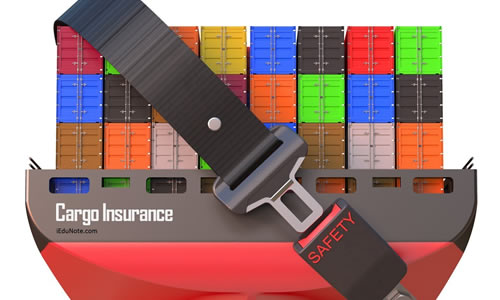
The cargo insurance protects your goods all the way to any Any FBA Warehouse

We handle all paperwork and other details for you.
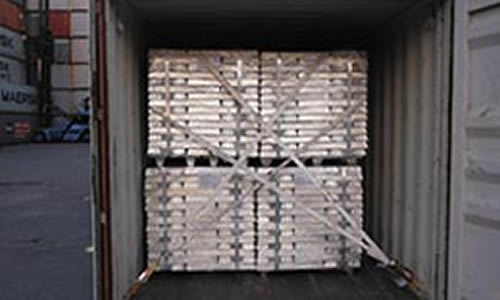
Ensure safe packaging and loading of goods in your suppliers' factory.
Shipping time from China to Malaysia is influenced by several factors including the chosen transportation method (sea or air), distance between the origin and destination ports, customs clearance times, and any potential delays at ports. Additionally, weather conditions and logistical issues can impact the overall shipping duration.
Sea freight from China to Malaysia typically takes between 7 to 14 days, while air freight is significantly quicker, often requiring 3 to 7 days. Air freight is faster due to the shorter travel time, but it is usually more expensive than sea freight.
Common delays include customs processing, port congestion, adverse weather conditions, and logistical issues. These delays can impact both sea and air freight, though air freight delays are often shorter in duration compared to sea freight.
You can track your shipment using tracking numbers provided by your freight forwarder or carrier. Most forwarders and carriers offer online tracking systems where you can monitor the progress of your shipment in real-time.
Required documentation typically includes a commercial invoice, packing list, bill of lading, and possibly a certificate of origin or other relevant certificates depending on the nature of the goods. Proper documentation ensures smooth customs clearance.
Yes, customs duties and taxes may apply based on the type and value of the goods being shipped. Malaysia’s customs regulations will determine the exact duties and taxes. It's advisable to check with customs authorities or a freight forwarder for detailed information.
To reduce shipping costs, consider consolidating shipments, choosing a cost-effective shipping method, negotiating rates with freight forwarders, and optimizing packaging to minimize volume and weight. Efficient planning and coordination can also help cut costs.
Shipping during off-peak seasons or avoiding major holiday periods can help minimize delays. Ports and customs authorities are generally less congested outside peak seasons, leading to faster processing times.
Yes, it is advisable to obtain insurance for your shipment. This coverage protects against risks such as loss, theft, or damage during transit. Check with your freight forwarder or insurance provider for available options and coverage details.
Contact your freight forwarder or carrier to get an update on the delay. They can provide information on the status of your shipment and any steps being taken to address the issue. Additionally, review any tracking updates and ensure that all documentation is in order to avoid further delays.
Operations deal with the way the vehicles are operated, and the procedures set for this purpose, and policies. In the transport industry, operat ions and ownership of infrastructure can be either country.