
China to UAE Warehouse Fulfillment Service Logistics: 2026 Guide
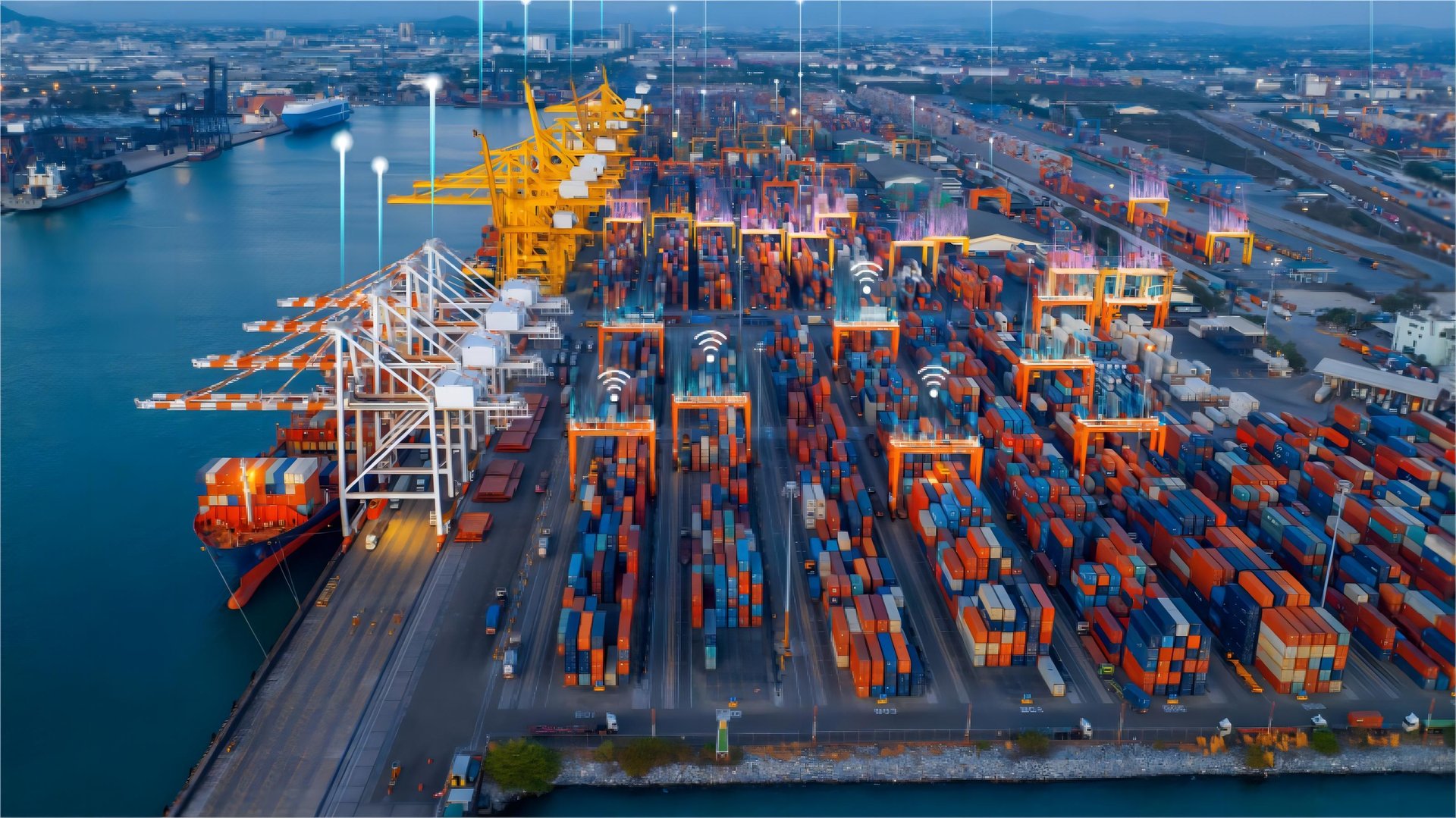
Navigating the complexities of international trade requires a robust strategy for China to UAE warehouse fulfillment service logistics to ensure business growth. Many importers struggle with high shipping costs and unpredictable delivery schedules when moving goods from Chinese manufacturing hubs to Middle Eastern markets. By partnering with a reliable partner like chinabestforwarder, you can streamline your entire supply chain and reduce operational overhead effectively. This guide explores how to optimize your logistics framework for maximum efficiency in 2026.

How Does China to UAE Warehouse Fulfillment Service Logistics Compare to Other Shipping Options?
Choosing the right transportation method is a critical decision that impacts both your profit margins and customer satisfaction levels. While traditional shipping focuses solely on moving cargo, a comprehensive fulfillment service integrates storage, picking, and packing into the logistics cycle. Consequently, businesses often find that hybrid solutions provide the best balance between speed and expenditure.

Furthermore, the infrastructure in the UAE has evolved significantly by 2026, making it a premier hub for cross-border logistics China to Middle East. Comparing different modes of transport allows you to align your shipping strategy with your specific business goals and inventory turnover rates. Therefore, understanding the nuances of each method is essential for any successful importer.
| Shipping Method | Cost Range (2026) | Transit Time | Best For |
|---|---|---|---|
| Sea Freight (FCL) | $1,200 – $2,100 | 20-28 Days | Bulk goods and heavy machinery |
| Air Freight | $4.50 – $7.00/kg | 3-6 Days | High-value electronics and fashion |
| Express Service | $8.00 – $12.00/kg | 2-4 Days | Urgent samples and small parcels |
| LCL Sea Freight | $60 – $110/CBM | 25-32 Days | Small to medium inventory batches |
What are the Primary Shipping Methods for UAE Logistics?
Ocean transportation remains the backbone of global trade due to its unmatched capacity for large-scale shipments. Most businesses prefer sea freight when dealing with high-volume inventory that does not require immediate delivery. This method is particularly cost-effective for goods arriving at major ports like Jebel Ali or Port Rashid.
Alternatively, air cargo solutions offer the speed necessary for time-sensitive product launches or inventory replenishment. Using air freight ensures that your products reach Dubai World Central or Dubai International Airport within a few days. Although more expensive, the reduced transit time can significantly improve your cash flow and market responsiveness.
Which Option Should You Choose for Your Business?
Budget-conscious businesses should prioritize sea freight for non-perishable goods to maintain a competitive pricing structure. If your primary goal is speed to market, air freight is the logical choice despite the higher initial investment. Moreover, cargo type plays a vital role in this selection process, as hazardous or oversized items may have restricted shipping options.
Consider the volume thresholds when switching between LCL and FCL shipping to optimize your landed costs. For shipments exceeding 15 CBM, a full container often proves more economical than paying per cubic meter for shared space. Additionally, hybrid sea-air solutions are gaining popularity in 2026 as a middle-ground alternative for moderate urgency.
How to Handle Customs Clearance and Documentation in the UAE?
Navigating the regulatory landscape in the UAE requires precise documentation to avoid costly delays at the border. Professional customs brokerage services are indispensable for ensuring compliance with local import laws and duty requirements. Incorrect paperwork can lead to cargo seizures or significant fines that disrupt your entire supply chain.
Specifically, the UAE customs authorities require a detailed commercial invoice, packing list, and a certificate of origin for all Chinese imports. Transitioning to digital documentation systems has streamlined this process in 2026, yet manual verification still occurs for specific categories. Consequently, working with experts who understand the latest customs trends is a strategic advantage.
| Document Type | Purpose | Required For | Timeline |
|---|---|---|---|
| Commercial Invoice | Valuation of goods | All shipments | Before departure |
| Packing List | Itemized cargo details | All shipments | Before departure |
| Bill of Lading | Title of goods | Sea freight | At departure |
| Certificate of Origin | Verification of source | Duty assessment | Before arrival |
Why Is E-commerce Fulfillment Essential for the UAE Market?
The Middle Eastern e-commerce sector is experiencing rapid growth, necessitating efficient warehouse storage UAE solutions for online sellers. Utilizing a specialized Amazon FBA prep service allows you to meet the strict requirements of major marketplaces without managing your own facility. This approach enables you to focus on marketing and sales while professionals handle the logistics.
Moreover, localized fulfillment centers in Dubai or Sharjah provide faster last-mile delivery Dubai services to your end customers. By keeping inventory closer to the consumer, you can offer same-day or next-day shipping, which is a major competitive advantage. Indeed, e-commerce fulfillment UAE strategies are now a requirement rather than an option for cross-border success.
How to Optimize Your China to UAE Warehouse Fulfillment Service Logistics?
Inventory management is the cornerstone of a successful China to UAE warehouse fulfillment service logistics operation. You must maintain a balance between stock availability and storage costs to maximize your return on investment. Furthermore, implementing advanced tracking systems allows you to monitor cargo handling Dubai processes in real-time from your office in China.
Selecting a comprehensive door to door service simplifies the entire journey from the factory floor to the customer’s doorstep. This integrated approach minimizes the number of touchpoints, reducing the risk of damage or loss during transit. Consequently, businesses that adopt end-to-end logistics solutions often report higher customer satisfaction scores.

Real-World Case Studies for China to UAE Logistics
Examining actual shipping scenarios provides valuable insights into the practical application of China to UAE warehouse fulfillment service logistics. These examples reflect the current market conditions of 2026 and highlight the importance of strategic planning. Each case demonstrates how different cargo types and volumes require tailored transportation strategies.
Case Study 1: High-Volume Electronics Distribution
Route: Shenzhen, China to Dubai, UAE
Cargo: Consumer electronics, 28 CBM, 4,500 kg
Container: 40GP Full Container Load (FCL)
Shipping Details: Carrier: Major ocean carrier via direct route from Yantian to Jebel Ali.
Cost Breakdown: Ocean Freight: $1,950; Origin Charges: $320; Destination Charges: $450; Total Landed Cost: $2,720.
Timeline: Sea Transit: 22 days; Customs Clearance: 2 days; Total Door-to-Door: 28 days.
Key Insight: Using FCL for high-value electronics provided the best security and lowest per-unit cost for this 2026 shipment.
Case Study 2: Urgent Fashion Inventory Replenishment
Route: Guangzhou, China to Dubai World Central, UAE
Cargo: Seasonal apparel, 350 kg
Method: Air Freight (Standard)
Shipping Details: Direct flight from CAN to DWC for immediate warehouse entry.
Cost Breakdown: Air Freight: $1,820; Documentation: $150; Local Delivery: $200; Total Landed Cost: $2,170.
Timeline: Flight Transit: 1 day; Customs: 1 day; Total Door-to-Door: 4 days.
Key Insight: Air freight was essential to meet the launch deadline for the Q1 2026 fashion season in Dubai malls.
What Are the Current Logistics Trends for 2026?
Market intelligence indicates that the UAE is further solidifying its position as a global logistics gateway through 2026. Investment in automated warehouses and AI-driven supply chain optimization UAE tools has significantly reduced processing times. Additionally, the integration of green energy in port operations is becoming a standard requirement for many international brands.
Freight rates 2026 have stabilized compared to previous years, although seasonal fluctuations still occur during the peak August to October period. Consequently, savvy importers are booking capacity early to avoid the 20% price spikes typically seen in the fourth quarter. Staying informed about these logistics trends allows you to adapt your procurement strategy proactively.
Mastering Your Logistics Strategy
In summary, achieving success in the Middle Eastern market depends on a well-executed China to UAE warehouse fulfillment service logistics plan. By choosing the right shipping method, ensuring accurate documentation, and leveraging localized fulfillment, you can significantly enhance your operational efficiency. Remember that the logistics landscape is constantly evolving, making it essential to partner with experts who understand the 2026 market dynamics.
Note: Freight rates are subject to change based on fuel costs, carrier capacity, and seasonal demand. Contact us for a current quote tailored to your specific shipment.

Need a tailored shipping solution?
Streamline your supply chain today with expert China to UAE warehouse fulfillment service logistics solutions. Contact our team at chinabestforwarder to receive a customized quote and optimize your international shipping strategy for 2026. Visit our website to learn how we can help your business grow in the Middle Eastern market. Send Inquiry