

Ocean Freight China to UAE Container Rates Service: 2026 Guide
Finding a reliable ocean freight china to uae container rates service is a top priority for businesses operating in the global supply chain during 2026. Navigating the logistics landscape requires a deep understanding of market fluctuations and carrier availability. By partnering with chinabestforwarder, importers can streamline their operations and secure competitive pricing for their cargo. This comprehensive guide explores everything from current shipping costs to essential documentation for the Middle Eastern market.

How Much Does Ocean Freight China to UAE Container Rates Service Cost?
Shipping costs in 2026 remain influenced by fuel prices and regional demand patterns. Typically, a 20ft container (20GP) from major Chinese ports like Shanghai or Shenzhen to Jebel Ali costs between $1,200 and $1,800. For larger shipments, a 40ft container (40HQ) usually ranges from $2,200 to $3,500 depending on the season.

Market data suggests that rates fluctuate significantly during the peak season from August to October. Consequently, businesses should plan their budgets with a 20 percent buffer to account for sudden surcharges. Moreover, choosing the right sea freight provider can help in securing fixed rates during volatile periods.
Additional expenses such as terminal handling charges and documentation fees must be considered. These origin and destination costs often add $300 to $500 to the total landed cost. Therefore, requesting an all-in quote is the most effective way to avoid hidden surprises at the port of discharge.
| Container Type | Average Rate (USD) | Transit Time | Best For |
|---|---|---|---|
| 20GP Container | $1,200 – $1,800 | 18-25 Days | Heavy/Dense Goods |
| 40GP Container | $2,000 – $3,200 | 18-25 Days | General Cargo |
| 40HQ Container | $2,200 – $3,500 | 18-25 Days | Voluminous Goods |
| LCL (per CBM) | $40 – $90 | 25-35 Days | Small Shipments |
How Does Sea Freight Compare to Other Shipping Options?
Comparing different logistics modes is vital for optimizing your supply chain efficiency. While sea freight offers the lowest cost for bulk shipments, it has the longest transit time. In contrast, air freight provides rapid delivery within 3 to 7 days but at a significantly higher price point.
Hybrid solutions like sea-air services have gained popularity in early 2026. This approach involves shipping goods by sea to a hub like Colombo or Singapore and then flying them to Dubai. As a result, shippers can balance speed and cost effectively for urgent but heavy cargo.
Road freight is not a viable direct option from China to the UAE due to geographical constraints. However, multimodal transport involving rail to neighboring regions and then sea or road is occasionally explored for specific inland Chinese origins. Most traders find that direct ocean routes remain the most reliable and cost-effective strategy.
| Method | Cost Range | Transit Time | Limitations |
|---|---|---|---|
| Sea Freight | Low ($) | 18-30 Days | Slowest Speed |
| Air Freight | High ($$$$) | 3-7 Days | Weight Limits |
| Sea-Air | Medium ($$) | 12-15 Days | Complex Handling |
| Express | Very High ($$$$$) | 2-4 Days | Very Expensive |
Which Option Should You Choose?
Decision making depends heavily on your specific business requirements and cargo volume. If you are shipping more than 15 cubic meters, a Full Container Load (FCL) is almost always the better choice. FCL offers better security and faster handling since the container is not shared with other shippers.
Small businesses often prefer Less than Container Load (LCL) for smaller inventories. Even though the price per unit is higher, the total outlay is lower for shipments under 10 CBM. Additionally, utilizing door to door services can simplify the process for LCL shipments by handling the final mile delivery.
Budget priority dictates choosing slow steaming sea routes which can save up to 15 percent on freight costs. On the other hand, if speed is the priority, booking with premium carriers like Maersk or COSCO on direct routes is recommended. Always evaluate the trade-off between inventory holding costs and shipping speed before booking.
What Factors Influence Container Shipping Rates from China to Dubai?
Fuel surcharges, often referred to as BAF (Bunker Adjustment Factor), play a massive role in pricing. As global oil markets fluctuate in 2026, carriers adjust these fees monthly. Furthermore, port congestion in major hubs like Ningbo or Jebel Ali can lead to equipment imbalance surcharges.
Seasonal demand cycles are predictable but still impact the ocean freight china to uae container rates service significantly. The weeks leading up to the Chinese New Year and the Eid holidays usually see a spike in volume. Consequently, booking at least 3-4 weeks in advance is necessary to secure space and avoid premium rates.
Currency exchange rates between the CNY and USD also influence the final invoice. Since most international freight is quoted in USD, a weakening local currency can increase the cost for Chinese exporters. Indeed, staying informed about these macroeconomic factors is crucial for long-term logistics planning.
Essential Documentation for UAE Customs Clearance
Navigating the legal requirements of the UAE requires precision in documentation. Every shipment must be accompanied by a commercial invoice, packing list, and a certificate of origin. Furthermore, the Bill of Lading serves as the title to the goods and is required for cargo release.
Specific products such as electronics or chemicals may require additional permits from UAE authorities. Engaging a professional customs brokerage service ensures that all paperwork complies with local regulations. Consequently, this prevents costly delays and potential fines at the port.
Digitalization has streamlined the process in 2026 with the UAE’s advanced electronic customs systems. Shippers should ensure that all digital copies are clear and match the physical goods exactly. In addition, verifying the HS codes for your products is vital for accurate duty calculation.
Real-World Case Studies: Shipping Success Stories
Case Study 1: Electronics from Shenzhen to Jebel Ali. A tech distributor needed to move 500 units of smart home devices. They chose a 20GP container to ensure safety. The ocean freight cost was $1,450, with origin charges of $350 and destination fees of $400. Total transit time from booking to delivery was 24 days. Key Insight: Early booking during the off-peak season saved the client $300.
Case Study 2: Furniture from Ningbo to Abu Dhabi. A retail chain imported 28 CBM of home decor using LCL shipping. The rate was $65 per CBM. Total sea transit was 28 days, including transshipment. Customs clearance took 2 days. Total landed cost was approximately $2,800. Key Insight: Consolidating multiple suppliers into one LCL shipment reduced documentation fees by 40 percent.
Case Study 3: Urgent Industrial Parts via Sea-Air. A construction firm required heavy machinery parts that were too heavy for pure air freight. The goods were shipped by sea from Shanghai to Singapore and then flown to Dubai. Total time was 14 days, costing $4,500. Key Insight: This hybrid approach saved $6,000 compared to direct air freight while meeting the project deadline.
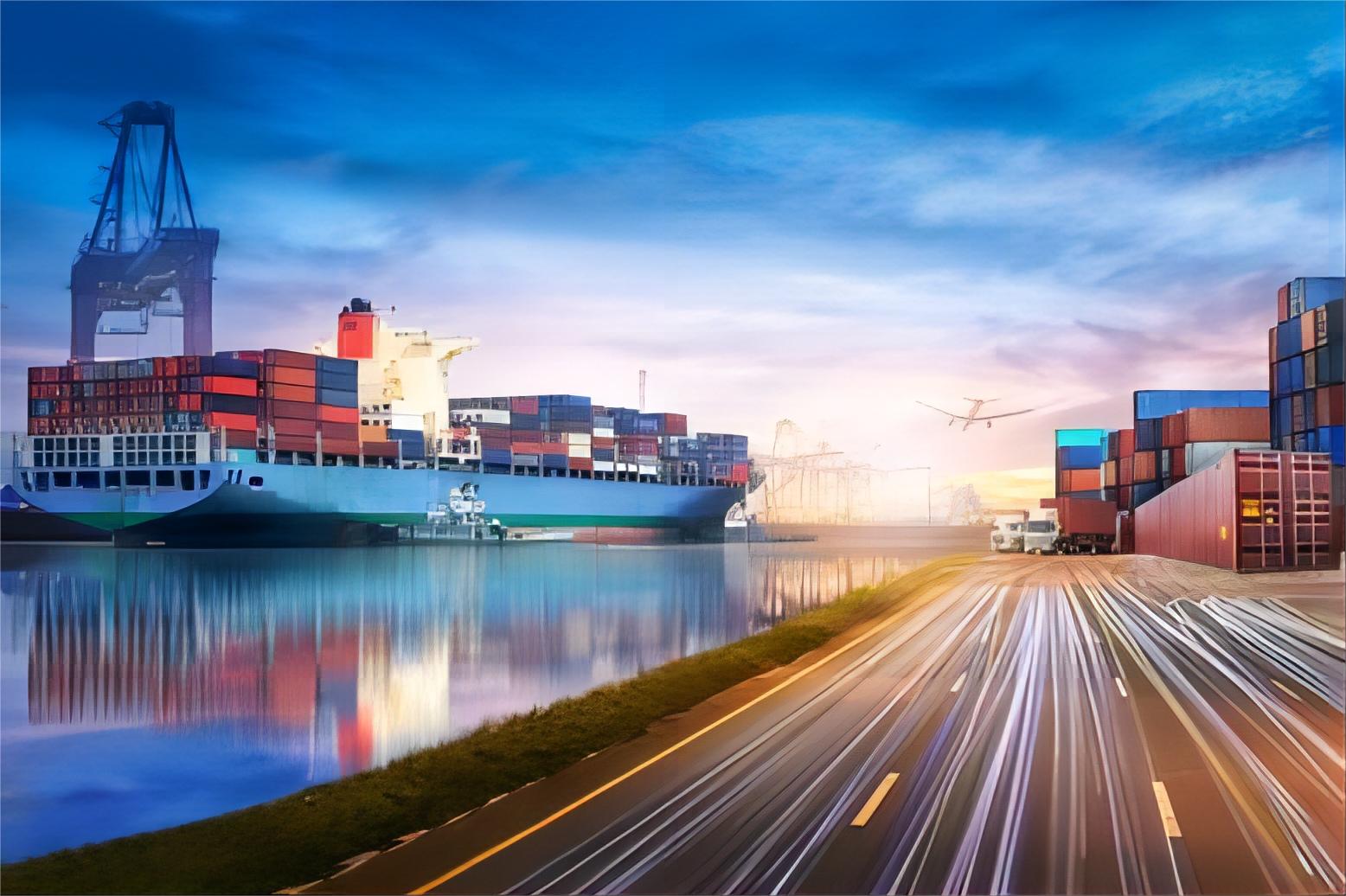
Top Ports in China and UAE for International Shipping
Shanghai remains the world’s busiest container port and offers the most frequent departures to the Middle East. Shenzhen is the primary gateway for electronics and consumer goods from South China. Meanwhile, Ningbo-Zhoushan is a preferred choice for heavy industrial cargo due to its deep-water berths.
Jebel Ali Port in Dubai is the most significant destination in the UAE, serving as a massive redistribution hub for the entire region. Khalifa Port in Abu Dhabi has also seen significant growth in 2026, offering advanced automated handling. Shippers should choose their destination port based on the final delivery address to minimize inland trucking costs.
Direct routes from China to Jebel Ali are abundant, with major carriers providing weekly services. However, some smaller ports in the UAE like Sharjah or Ajman might require transshipment through Jebel Ali. Therefore, checking the carrier’s schedule for direct calls can save several days of transit time.
How to Reduce Your Logistics Costs in 2026
Optimizing your packaging is one of the simplest ways to lower freight expenses. By reducing the volume of your cargo, you can often fit more units into a single container or reduce LCL CBM charges. Additionally, using standardized pallets can speed up the loading and unloading process at both ends.
Negotiating long-term contracts with freight forwarders can provide price stability. While spot rates might occasionally be lower, a contract protects you from the massive price spikes seen during peak seasons. Moreover, consolidating shipments from different suppliers into a single FCL can significantly lower the per-unit shipping cost.
Leveraging technology for real-time tracking allows you to manage your inventory more efficiently. If you know exactly when your container will arrive, you can coordinate trucking and warehousing to avoid expensive demurrage and detention fees. Finally, always compare quotes from at least three different providers to ensure you are getting the best ocean freight china to uae container rates service.
Mastering Your Shipping Strategy from China to UAE
Successfully managing an ocean freight china to uae container rates service requires a blend of strategic planning and market awareness. By understanding the differences between FCL and LCL, and keeping an eye on 2026 market trends, businesses can significantly reduce their overhead.
Reliability and transparency are the foundations of a strong logistics partnership. Whether you are shipping electronics from Shenzhen or furniture from Ningbo, choosing the right service level is critical. Start implementing these cost-saving strategies today to enhance your competitive edge in the UAE market.

Ready to streamline your logistics?
Are you looking to optimize your supply chain with a reliable ocean freight china to uae container rates service? Contact our expert team today to receive a personalized quote and professional logistics advice tailored to your 2026 business goals. Send Inquiry Visit https://chinabestforwarder.com/ to get started.
Request Quote