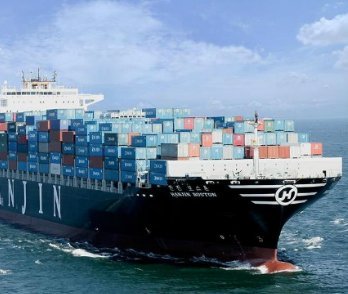
Swaziland is a key market for us, with a significant portion of our clientele located there. Thanks to our strong relationships with top carriers like COSCO, OOCL, APL, EMC, MSK, and HMM, we are able to offer you highly competitive freight rates for shipments from China to any port in Swaziland.
When you partner with China Best Forwarder, shipping from China to Swaziland becomes a seamless process. Just entrust your goods to us, and we’ll take care of the rest. We are dedicated to being your reliable freight forwarder for shipments to Swaziland. Get in touch with us today for an improved quote.
We provide competitive ocean freight rates and personalized shipping solutions, designed to meet your specific transit time needs when shipping from China to any port in Swaziland, including inland destinations.
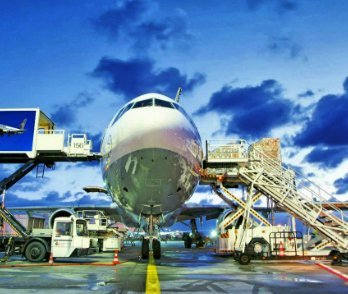
We will choose the best airline for your shipment, depending on your time constraints. China Best Forwarder is the perfect partner for your air freight needs from China to Swaziland.
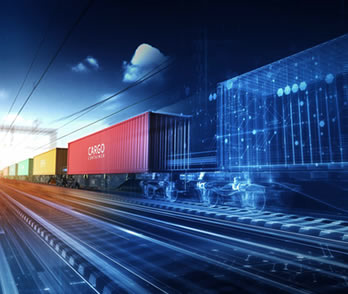
Whether for personal or business shipments, we provide dependable door-to-door shipping services, including customs clearance in Swaziland.
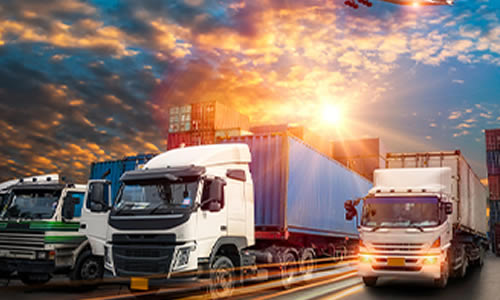
We have established contract rates with carriers to reduce your shipping expenses. When you choose FCL for shipping your goods to Swaziland, China Best Forwarder becomes your reliable logistics partner.
Along with providing competitive ocean freight rates, China Best Forwarder guarantees outstanding service at the destination port.
China Best Forwarder will provide most fuel efficient pickup service China
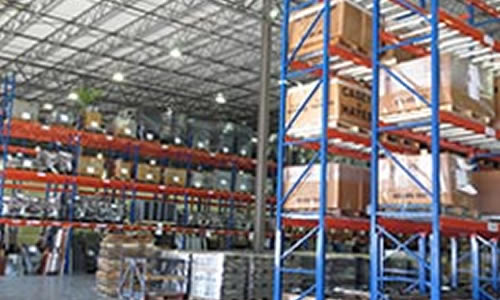
We provide free warehousing services for any of your goods.
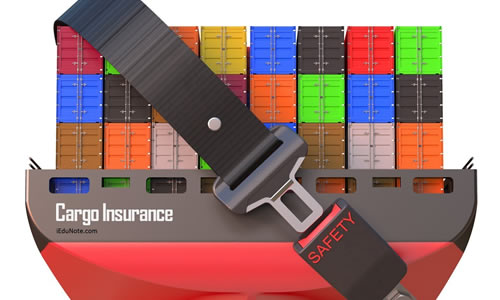
The cargo insurance protects your goods all the way to any Any FBA Warehouse

We handle all paperwork and other details for you.
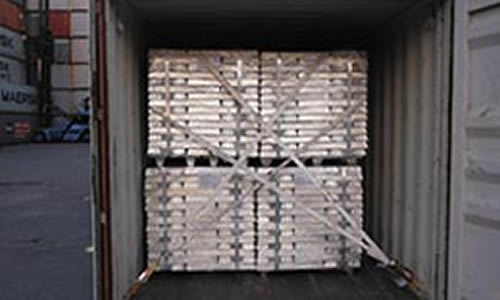
Ensure safe packaging and loading of goods in your suppliers' factory.
Shipping costs are influenced by weight, volume, shipping method, destination, and the carrier used. Air freight is usually more expensive but faster compared to sea freight. For an accurate cost, contact the shipping company with detailed information about your cargo.
Customs clearance generally requires a commercial invoice, packing list, bill of lading or air waybill, and any relevant certificates or permits. Specific requirements may vary depending on the type of goods and local regulations.
Common shipping methods include air freight, sea freight, and courier services. Air freight is faster but more expensive, sea freight is cost-effective for large shipments but slower, and courier services offer a balance of speed and cost.
Sea freight typically takes between 30 to 60 days, depending on factors such as the specific shipping route, weather conditions, and port handling times.
Air freight is significantly faster than sea freight, usually taking 7 to 14 days compared to several weeks. It’s ideal for time-sensitive shipments, though it is more expensive.
Tracking can be done through the shipping company's website using a provided tracking number. Most carriers offer online tracking tools for real-time updates on the shipment’s location and status.
Yes, certain goods may be restricted or require special permits. This can include items like pharmaceuticals, chemicals, or high-value goods. Check with the shipping company and local customs regulations for specific restrictions.
A freight forwarder manages logistics and documentation for international shipments. They handle booking transport, arranging customs clearance, and often provide warehousing and insurance services.
Customs duties are taxes imposed on imported goods and can significantly impact shipping costs. Rates depend on the type of goods and their value. Accurate customs declarations and payment of duties are essential for smooth clearance.
Yes, consolidated shipment services are available and involve combining multiple shipments into one larger shipment to reduce costs. This is a cost-effective option for smaller loads but may have longer transit times due to consolidation and deconsolidation processes.
Operations deal with the way the vehicles are operated, and the procedures set for this purpose, and policies. In the transport industry, operat ions and ownership of infrastructure can be either country.