
China to Australia Shipping Factory Shipping: The Complete Guide
China to Australia shipping factory shipping represents a vital link for businesses sourcing products from the world’s manufacturing hub. Managing these logistics requires a deep understanding of transit routes, factory coordination, and customs regulations. By partnering with a reliable partner like chinabestforwarder, importers can streamline their operations and reduce unnecessary costs. This comprehensive guide explores the nuances of transporting goods directly from Chinese factories to Australian destinations, ensuring your supply chain remains efficient and cost-effective.

What Defines China to Australia Shipping Factory Shipping?
Factory shipping involves the direct coordination between a manufacturing facility in China and the final delivery point in Australia. This process begins at the production line where goods are packed, labeled, and prepared for export according to international standards. Most businesses prefer this method because it minimizes handling and reduces the risk of damage during transit.
Furthermore, successful factory shipping requires precise timing to align production schedules with vessel departures. Freight forwarders often act as the intermediary, ensuring that the factory completes the order before the container arrives for loading. Consequently, clear communication between the supplier, the forwarder, and the importer is essential for avoiding costly delays at the port of loading.
How Does Sea Freight Compare to Other Shipping Options?
When evaluating china to australia shipping factory shipping, businesses must weigh sea freight against air and express alternatives. Sea freight remains the most popular choice for bulk cargo due to its unmatched cost-effectiveness for large volumes. However, air freight offers superior speed for urgent or high-value items that cannot wait for a slow-moving vessel.
In contrast, express services provide a premium solution for small parcels and samples, offering end-to-end tracking and rapid delivery. Importers should analyze their specific cargo needs, budget constraints, and delivery deadlines before selecting a method. To assist in this decision, we have provided a detailed comparison of the primary shipping modes below.
| Shipping Method | Cost Range | Transit Time | Best For | Limitations | | Sea Freight (FCL) | $800-2,000 | 12-25 Days | Bulk Goods | Slower speed | | Sea Freight (LCL) | $50-150/CBM | 15-30 Days | Small-Mid | Shared Space | | Air Freight | $4-8 per kg | 3-7 Days | High Value | High Cost | | Express Service | $6-12 per kg | 2-5 Days | Samples | Highest Cost |
Consider using sea freight for your large-scale manufacturing orders to maximize your profit margins. While it takes longer than other methods, the per-unit cost savings are significant for most consumer goods and industrial equipment.

Which Option Should You Choose for Your Factory Cargo?
Budget priority dictates that you should almost always choose sea freight, specifically Full Container Load (FCL) if you have enough volume. For shipments exceeding 15 cubic meters, FCL provides better security and faster transit than Less than Container Load (LCL). On the other hand, if your priority is speed, air freight is the only viable solution to meet tight market windows.
Cargo type also plays a critical role in your decision-making process. Perishable goods or high-tech electronics often require the speed and climate control of air transport. Meanwhile, durable goods like furniture, textiles, and machinery are perfectly suited for the longer transit times associated with ocean voyages. Always consult with your logistics provider to determine the most balanced approach for your specific inventory.
Navigating the Costs of China to Australia Shipping Factory Shipping
Understanding the total landed cost is vital for maintaining a profitable import business. Freight rates fluctuate based on fuel surcharges, seasonal demand, and carrier capacity. For example, during the peak season from August to October, rates typically increase by 15 to 25 percent as retailers stock up for the holiday period.
Additional expenses often include origin charges, port handling fees, and insurance premiums. Importers must also account for Australian GST and potential customs duties, which can significantly impact the final price. Specifically, the Goods and Services Tax (GST) usually applies at a rate of 10 percent on the value of the taxable importation.
Note: Freight rates are subject to change based on fuel costs, carrier capacity, and seasonal demand. Contact us for a current quote tailored to your specific shipment.
Understanding Customs Brokerage and Compliance
Navigating the legal requirements for Australian imports is a complex task that requires specialized knowledge. A professional customs brokerage service ensures that all documentation is accurate and compliant with Australian Border Force regulations. Failure to provide the correct paperwork can lead to seized cargo, heavy fines, and lengthy delays.
Therefore, you must prepare a comprehensive set of documents before your shipment arrives at the port of discharge. This typically includes a commercial invoice, a detailed packing list, and the bill of lading. Additionally, certain products may require specific permits or certificates of origin to qualify for preferential duty rates under free trade agreements.
| Document Name | Purpose | Required By | Timing | | Commercial Invoice | Value declaration | Customs | Before Departure | | Packing List | Content details | Port Authority | Before Departure | | Bill of Lading | Title to goods | Carrier | At Loading | | Certificate of Origin | Duty reduction | Customs | Before Arrival |
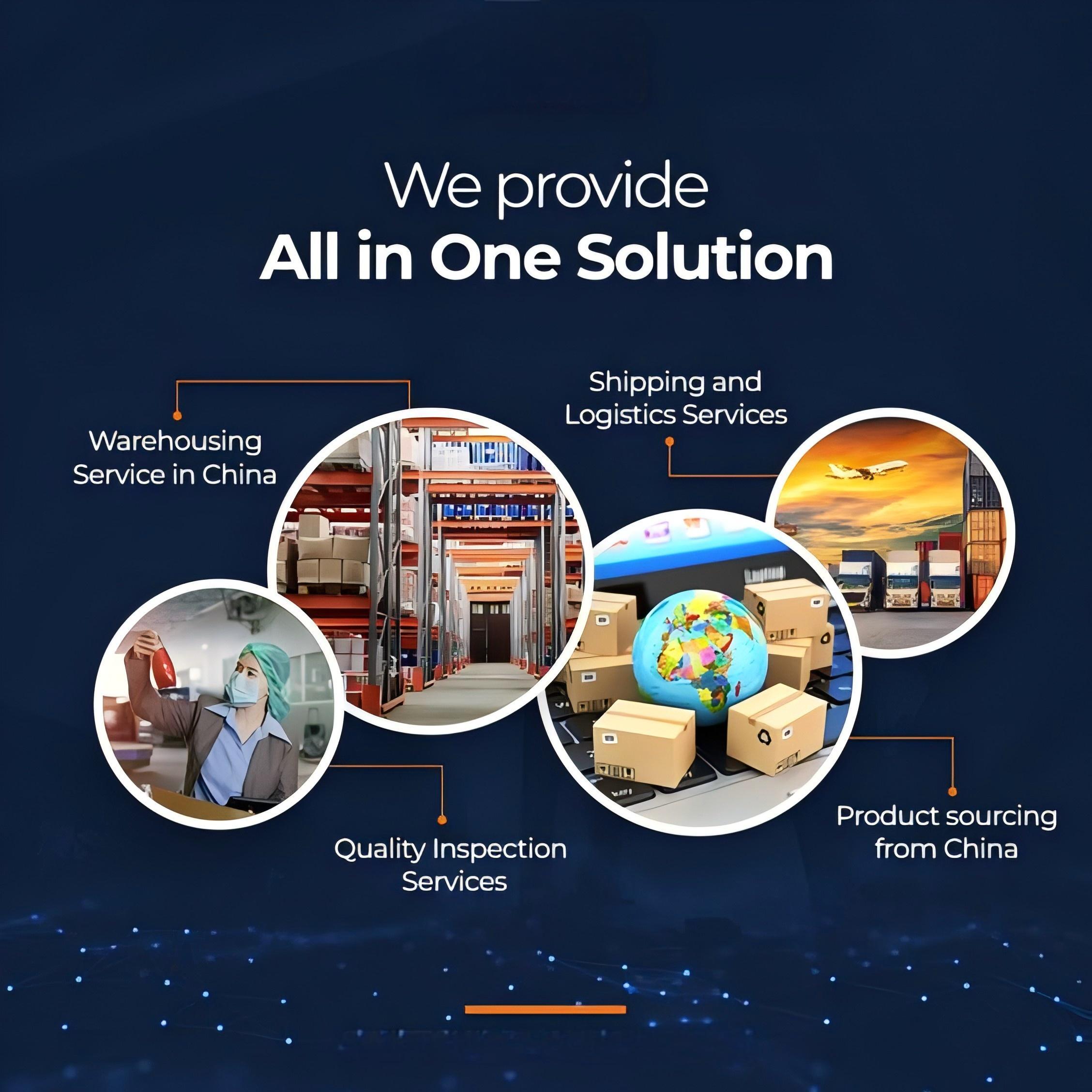
The Benefits of Door to Door Logistics
Choosing a door to door service simplifies the entire china to australia shipping factory shipping experience. This comprehensive solution covers every step of the journey, from the factory floor in China to your final warehouse location in Australia. Consequently, you can focus on your core business activities while your logistics partner manages the technical details.
Moreover, this method provides a single point of accountability, which reduces the likelihood of communication breakdowns. The forwarder handles the trucking, ocean transit, customs clearance, and final delivery. This integrated approach often results in faster transit times and a more predictable delivery schedule for your customers.
Real-World Scenarios in Factory Logistics
To illustrate how these principles work in practice, consider the following case studies based on recent market data. These examples reflect typical costs and timelines for various cargo types traveling from major Chinese hubs to Australian ports.
Case Study 1: Electronics from Shenzhen to Sydney ——————————————————— Route: Shenzhen, China to Sydney, Australia Cargo: Consumer Electronics, 25 CBM, 4500 kg Container: 20GP Shipping Details: – Carrier/Service: Major carrier – Port of Loading: Shenzhen – Port of Discharge: Sydney – Route Type: Direct Cost Breakdown: – Ocean Freight: $950 – Origin Charges: $250 – Destination Charges: $320 – Customs and Duties: $1,200 – Total Landed Cost: $2,720 Timeline: – Booking to Loading: 3 days – Sea Transit: 14 days – Customs Clearance: 2 days – Total Door-to-Door: 19 days Key Insight: Direct shipping from Shenzhen to Sydney saved 4 days compared to transshipment routes. ———————————————————
Case Study 2: Furniture from Foshan to Melbourne ——————————————————— Route: Foshan, China to Melbourne, Australia Cargo: Home Furniture, 12 CBM, 2200 kg Container: LCL 12 CBM Shipping Details: – Carrier/Service: LCL Consolidation – Port of Loading: Guangzhou – Port of Discharge: Melbourne – Route Type: Direct Cost Breakdown: – Ocean Freight: $840 – Origin Charges: $180 – Destination Charges: $450 – Customs and Duties: $800 – Total Landed Cost: $2,270 Timeline: – Booking to Loading: 5 days – Sea Transit: 18 days – Customs Clearance: 3 days – Total Door-to-Door: 26 days Key Insight: LCL was more economical than a 20GP container for this volume, despite higher destination fees. ———————————————————
Importers looking for specialized assistance for Australia can rely on these benchmarks to plan their budgets. Indeed, understanding these real-world costs helps in setting competitive retail prices.
Optimizing Your Supply Chain for 2025
As we move into 2025, logistics trends suggest a continued focus on digital tracking and sustainable shipping practices. Importers who adopt these technologies can gain a competitive advantage by providing real-time updates to their customers. Additionally, diversifying your port options in China can help you avoid local congestion during peak periods.
Another effective strategy involves consolidating multiple factory orders into a single FCL shipment. By doing so, you reduce the per-cubic-meter cost and minimize the administrative burden of managing multiple bills of lading. For smaller businesses, using an express service for initial product samples remains the best way to verify quality before committing to a large factory order.
Summary of Factory Shipping Success
To summarize, mastering china to australia shipping factory shipping requires a combination of strategic planning, reliable partnerships, and a deep understanding of market costs. By selecting the right shipping method and ensuring customs compliance, you can significantly improve your supply chain efficiency.
Indeed, the transition from factory production to Australian delivery should be a seamless process. Whether you choose sea, air, or express services, staying informed about current trends and costs will empower you to make the best decisions for your business growth.

Ready to streamline your logistics?
Contact us today to receive a personalized quote for your china to australia shipping factory shipping needs. Our expert team ensures your cargo moves efficiently from the factory floor to your Australian warehouse. Visit our website to learn more about our comprehensive logistics solutions and start saving on your shipping costs today. See: https://chinabestforwarder.com/contact-us/
Request Quote