
China to Canada Shipping 2026: Costs and Transit Guide
Navigating the complexities of china to canada shipping 2026 requires a strategic approach to handle evolving trade dynamics. Partnering with a reliable expert like chinabestforwarder ensures your supply chain remains resilient and cost-effective throughout the year. Businesses must adapt to changing regulations and market fluctuations to maintain a competitive edge in the North American market.
How Does Sea Freight Compare to Other Shipping Options?
Choosing the right logistics method is essential for balancing speed and expenditure. While sea freight remains the most popular choice for bulk shipments, other alternatives offer specific advantages depending on your urgency. Moreover, the decision between Full Container Load (FCL) and Less than Container Load (LCL) can significantly impact your bottom line.
Sea freight offers the lowest cost per unit for large volumes, making it ideal for furniture or machinery. However, transit times are considerably longer compared to air-based solutions. Consequently, businesses often plan their inventory months in advance to account for the 20-40 day ocean journey.
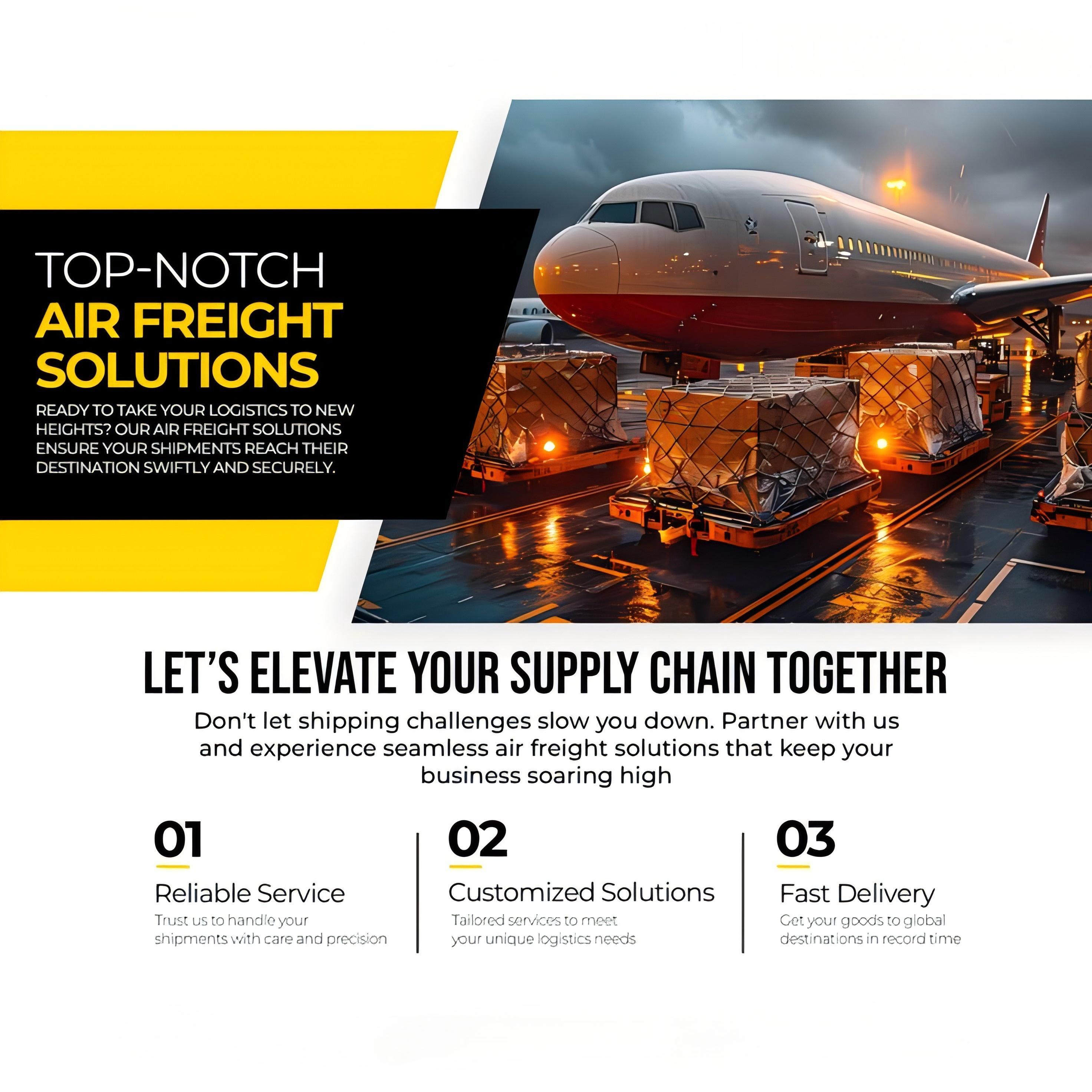
Air freight serves as a premium alternative when time is of the essence. Although it costs significantly more, it reduces the risk of stockouts during peak seasons. Meanwhile, express services provide the fastest door-to-door experience for small parcels and urgent samples.
| Shipping Method | Cost Range | Transit Time | Best For |
|---|---|---|---|
| Sea Freight (FCL) | $2,500 – $4,500 | 20 – 40 Days | Bulk Cargo |
| Sea Freight (LCL) | $80 – $150/CBM | 25 – 45 Days | Small Shipments |
| Air Freight | $5 – $12/kg | 3 – 7 Days | Urgent Goods |
| Express Service | $8 – $15/kg | 2 – 5 Days | Samples/E-commerce |
Which Option Should You Choose?
Budget priority leads most importers toward ocean freight due to its unmatched economy. In contrast, if you are shipping high-value electronics, the security and speed of air transport justify the higher rates. Furthermore, consider the volume thresholds where switching from LCL to FCL becomes more cost-effective.
Volume thresholds typically suggest that shipments over 15 CBM should utilize a full 20GP container. For smaller loads, LCL remains the standard approach. Additionally, hybrid solutions like sea-air combinations can offer a middle ground for both cost and speed.
Evaluating Air Freight vs Express Service for Canada
Reliable air freight solutions are vital for maintaining a fast-paced supply chain in 2026. Indeed, the speed of air transport allows companies to respond quickly to market trends in Toronto or Vancouver. Nevertheless, the cost structure requires careful analysis to ensure profitability remains intact.
Express services operate differently by handling the entire process from pickup to final delivery. Therefore, they are often preferred for Amazon sellers and small business owners who require simplicity. On the other hand, traditional air freight usually involves more coordination at the airport and customs levels.
Market data suggests that air cargo rates fluctuate based on fuel surcharges and seasonal demand. For instance, rates often spike during the fourth quarter due to holiday shopping surges. Accordingly, booking at least two weeks in advance is highly recommended.
What Are the Projected Shipping Costs for 2026?
Predicting shipping costs from China to Canada 2026 involves looking at fuel trends and carrier capacity. As of early 2026, we anticipate that rates will remain stable but subject to minor adjustments based on geopolitical factors. Furthermore, port infrastructure improvements in Prince Rupert and Vancouver may help reduce congestion surcharges.
Importers should also account for destination charges such as terminal handling and documentation fees. To summarize, the total landed cost is what truly matters for your business margins. Without a doubt, getting a comprehensive quote that includes all hidden fees is the best way to avoid surprises.
| Route | 20GP Container | 40HQ Container | Transit Time |
|---|---|---|---|
| China to Vancouver | $1,800 – $2,600 | $2,800 – $3,800 | 14 – 20 Days |
| China to Toronto | $3,200 – $4,200 | $4,500 – $6,000 | 28 – 35 Days |
| China to Montreal | $3,400 – $4,500 | $4,800 – $6,500 | 30 – 38 Days |
Price Reference Disclaimer
Note: Freight rates are subject to change based on fuel costs, carrier capacity, and seasonal demand. Contact us for a current quote tailored to your specific shipment. Market data suggests that rates typically increase 15-25% during August-October peak season.

Navigating Customs Brokerage and Compliance in Canada
Efficient customs brokerage is a non-negotiable part of the import process. Specifically, the Canada Border Services Agency (CBSA) requires accurate documentation to prevent delays and penalties. Consequently, many importers choose to outsource this task to licensed professionals who understand the latest CARM requirements.
Documentation usually includes the commercial invoice, packing list, and bill of lading. Additionally, some products may require specific permits or certificates of origin to qualify for preferential tariffs. Indeed, failing to provide the correct paperwork can lead to expensive storage fees at the port.
Customs regulations in 2026 continue to emphasize digital reporting and transparency. Therefore, ensuring your data is synchronized with your broker’s system is essential for a smooth clearance process. Meanwhile, staying informed about anti-dumping duties on certain Chinese goods is equally important.
Door to Door Shipping: Is It Right for Your Business?
Utilizing a door to door service simplifies the logistics chain by providing a single point of contact. This method covers everything from factory pickup in China to the final warehouse delivery in Canada. Furthermore, it eliminates the need for the importer to manage multiple carriers and brokers separately.
Small and medium enterprises often find this approach the most efficient for their operations. On the contrary, larger corporations with dedicated logistics teams might prefer port-to-port shipping to maintain tighter control over each segment. Nevertheless, the convenience of a turnkey solution is hard to beat for most commercial imports.
Logistics trends for 2026 show an increasing demand for end-to-end visibility. As a result, door-to-door providers are investing heavily in tracking technology to give clients real-time updates. For example, you can now monitor your shipment’s progress across the Pacific directly from your smartphone.
Amazon FBA Shipping Strategies for 2026
Sellers using Amazon FBA must adhere to strict delivery windows and packaging standards. In 2026, competition on the platform remains fierce, making logistics efficiency a key differentiator. Moreover, choosing a forwarder with specific FBA experience ensures that your goods are not rejected at the fulfillment center.
Consolidated shipping is an excellent way for Amazon sellers to reduce costs on smaller inventories. By grouping shipments with other sellers, you can take advantage of FCL rates even if you only have a few pallets. Additionally, labeling and palletizing services in China can save you significant time upon arrival in Canada.
Transit times for FBA shipments should be calculated with a buffer to avoid stockouts during major sales events. For instance, Prime Day and Black Friday require inventory to be in the warehouse weeks in advance. Accordingly, planning your 2026 shipping schedule around these dates is a smart business move.
Case Studies: Real-World Shipping Scenarios
Examining real-world examples helps clarify the costs and timelines involved in china to canada shipping 2026. These scenarios reflect typical market conditions and challenges faced by modern importers. Indeed, seeing the breakdown of a successful shipment provides a roadmap for your own logistics planning.
Case Study 1: Electronics from Shenzhen Route: Shenzhen, China to Vancouver, Canada Cargo: Consumer Electronics, 5 CBM, 1200 kg Container: LCL 5 CBM Shipping Details: – Carrier: Major carrier via Direct Route – Port of Loading: Shenzhen – Port of Discharge: Vancouver Cost Breakdown: – Ocean Freight: $550 – Origin Charges: $180 – Destination Charges: $220 – Customs & Duties: $450 – Total Landed Cost: $1,400 Timeline: – Booking to Loading: 4 days – Sea Transit: 16 days – Customs Clearance: 2 days – Total Door-to-Door: 25 days Key Insight: Using a direct route to Vancouver saved 10 days compared to transshipment options.
Case Study 2: Furniture from Ningbo Route: Ningbo, China to Toronto, Canada Cargo: Home Furniture, 68 CBM, 15000 kg Container: 40HQ Shipping Details: – Carrier: COSCO via Rail Link from Vancouver – Port of Loading: Ningbo – Port of Discharge: Toronto (via Vancouver) Cost Breakdown: – Ocean Freight: $4,800 – Origin Charges: $350 – Destination Charges: $600 – Customs & Duties: $1,200 – Total Landed Cost: $6,950 Timeline: – Booking to Loading: 6 days – Sea Transit: 18 days – Rail Transit: 7 days – Customs Clearance: 3 days – Total Door-to-Door: 38 days Key Insight: Intermodal rail transport from the West Coast is the most cost-effective way to reach Ontario.
Final Thoughts on Shipping to Canada in 2026
Successfully managing china to canada shipping 2026 requires a combination of early planning, reliable partnerships, and a deep understanding of the logistics landscape. By choosing the right shipping method and staying compliant with customs regulations, you can ensure your goods arrive safely and on time.
Whether you prioritize the speed of air freight or the economy of sea freight, the key is to remain adaptable to market changes. To summarize, working with an experienced freight forwarder will help you overcome challenges and optimize your supply chain for the year ahead.
Ready to streamline your logistics?
Streamline your china to canada shipping 2026 today by requesting a personalized quote. Our team of logistics experts is ready to help you navigate the 2026 market with ease. Send Inquiry
Request Quote