

China to UAE Container Shipping Price 20ft 40ft: 2026 Freight Guide
Navigating the complexities of international trade requires a clear understanding of the china to uae container shipping price 20ft 40ft to maintain a healthy bottom line. At chinabestforwarder, we provide comprehensive logistics solutions tailored to the evolving 2026 market trends. Consequently, businesses can optimize their supply chain by choosing the most cost-effective container options for their specific cargo needs.
Understanding China to UAE Container Shipping Price 20ft 40ft in 2026
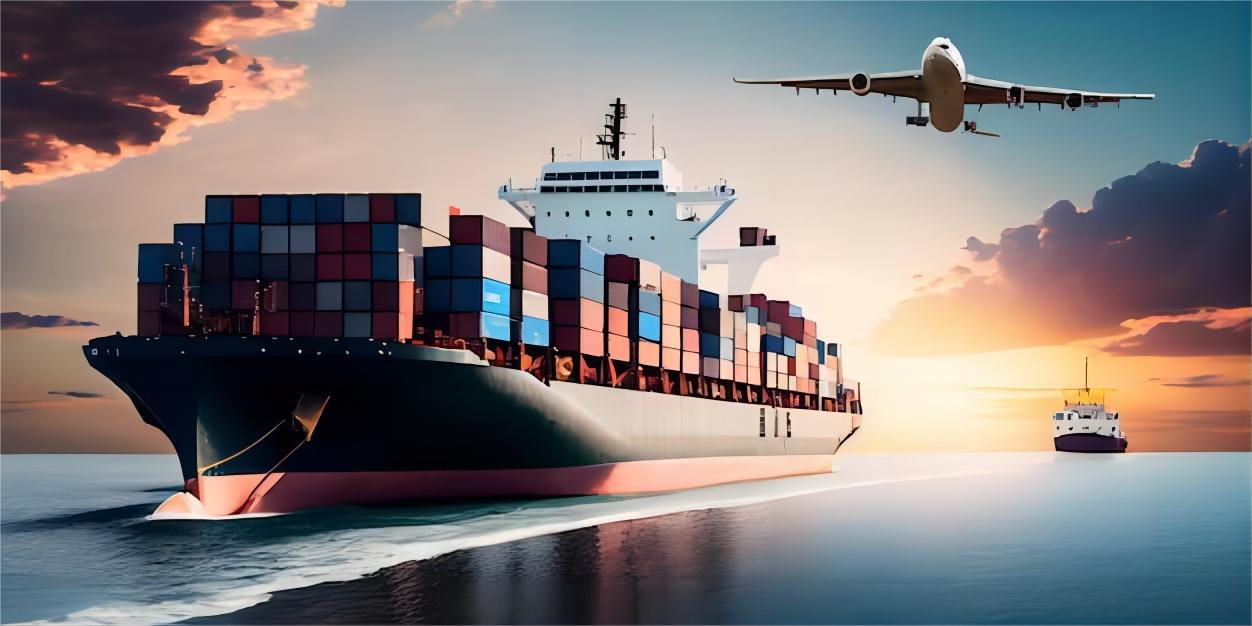
Shipping costs between China and the United Arab Emirates have seen significant shifts as of early 2026. Moreover, the demand for reliable trade lanes has led to more competitive pricing for Full Container Load (FCL) shipments. Therefore, understanding the current market benchmarks is essential for any importer looking to manage expenses effectively.
Current market data suggests that freight rates are influenced by fuel surcharges and seasonal demand spikes. Specifically, the china to uae container shipping price 20ft 40ft fluctuates based on the port of origin and the final destination in the Emirates. Indeed, staying updated on these changes allows for better budget forecasting and procurement planning.
Breakdown of 20ft vs 40ft Container Costs
Choosing between a 20ft and a 40ft container depends largely on your cargo volume and weight. For example, a 20ft container is ideal for heavy machinery or small batches of dense goods. On the other hand, the 40ft container offers nearly double the volume for a relatively small price increase, making it better for lighter, bulky items.
Typical rates as of early 2026 show that a 20ft container might cost between $1,200 and $1,800. Meanwhile, a 40ft container usually ranges from $2,000 to $2,800 depending on the carrier. Consequently, many businesses prefer sea freight in 40HQ containers to maximize their shipping capacity per dollar spent.
| Container Type | Capacity (CBM) | Avg. Price (USD) | Best Used For |
|---|---|---|---|
| 20ft GP | 33 CBM | $1,200 – $1,800 | Heavy/Dense Goods |
| 40ft GP | 67 CBM | $2,000 – $2,800 | General Cargo |
| 40ft HQ | 76 CBM | $2,200 – $3,100 | Bulky/Light Goods |
How Does Sea Freight Compare to Other Shipping Options?
While sea freight is the most common method for moving large volumes, other alternatives exist for different needs. For instance, air freight provides unmatched speed but comes at a significantly higher cost per kilogram. Furthermore, hybrid solutions like sea-air combinations are becoming popular for balancing cost and transit time.
In contrast, sea freight remains the backbone of the China-UAE trade route due to its high capacity. Nevertheless, for urgent shipments, businesses often turn to air freight to meet tight deadlines. Selecting the right method requires a careful analysis of your budget priorities and delivery schedule.
| Method | Cost Range | Transit Time | Limitations |
|---|---|---|---|
| Sea Freight | $1,200 – $3,100 | 18 – 25 Days | Slower Speed |
| Air Freight | $4.50 – $8.00/kg | 3 – 7 Days | High Cost |
| Sea-Air | Medium | 10 – 15 Days | Complex Logistics |
Major Shipping Routes and Transit Times
Transit times vary depending on whether you ship from Northern, Central, or Southern China. Most vessels departing from Shanghai or Ningbo reach Jebel Ali in approximately 20 to 25 days. Additionally, shipments from Shenzhen or Guangzhou may arrive slightly faster due to their proximity to major international shipping lanes.
Direct routes are generally 10-15% more expensive but save significant time compared to transshipment options. However, transshipping through hubs like Singapore can sometimes offer lower china to uae container shipping price 20ft 40ft options. Ultimately, the choice depends on how quickly you need your inventory to reach the UAE market.
Which Option Should You Choose?
Budget priority dictates that sea freight in 40ft containers is the most economical choice for large volumes. If speed is your primary concern, air freight is the only viable solution for time-sensitive cargo. Furthermore, for shipments that are too large for LCL but don’t fill a 40ft, the 20ft container is the perfect middle ground.
Cargo type also plays a vital role in your decision-making process. For example, fragile or high-value electronics might benefit from door to door shipping with specialized handling. Without a doubt, consulting with a professional forwarder helps in identifying the most efficient logistics path.
Case Study 1: Electronics from Shenzhen to Jebel Ali
Route: Shenzhen, China to Jebel Ali, UAE. Cargo: Consumer Electronics, 28 CBM, 8,500 kg. Container: 20GP. Shipping Details: Major carrier, direct route. Ocean Freight: $1,450. Origin Charges: $250. Destination Charges: $300. Customs and Duties: $1,200. Total Landed Cost: $3,200. Sea Transit: 18 days. Total Door-to-Door: 24 days. Key Insight: Direct shipping from Shenzhen minimized handling risks for sensitive electronics.
Case Study 2: Furniture from Ningbo to Abu Dhabi
Route: Ningbo, China to Abu Dhabi, UAE. Cargo: Home Furniture, 65 CBM, 12,000 kg. Container: 40GP. Shipping Details: Transshipment via Singapore. Ocean Freight: $2,300. Origin Charges: $350. Destination Charges: $450. Customs and Duties: $1,800. Total Landed Cost: $4,900. Sea Transit: 26 days. Total Door-to-Door: 32 days. Key Insight: Using a 40ft container allowed the client to ship an entire showroom’s worth of inventory at a low cost per unit.
Customs Clearance and Documentation Requirements
Navigating UAE customs requires precise documentation to avoid costly delays at the port. Required documents typically include the commercial invoice, packing list, certificate of origin, and the bill of lading. Moreover, certain goods may require additional permits from UAE ministries before they can be released.
Utilizing a professional customs brokerage service ensures that all paperwork complies with local regulations. Consequently, this reduces the risk of demurrage and detention fees. Indeed, a smooth clearance process is just as important as the ocean freight rate itself.
Cost-Saving Strategies for Importers
Consolidating shipments is one of the most effective ways to lower your overall logistics spend. If you don’t have enough cargo for a full container, consider Amazon FBA or LCL services to share costs with other shippers. Additionally, booking your shipment at least 2-3 weeks in advance can help secure lower rates before peak season price hikes.
Negotiating with multiple carriers can also yield better china to uae container shipping price 20ft 40ft results. Furthermore, optimizing your packaging to fit more units into a single container reduces the cost per item. As a result, small adjustments in your supply chain can lead to significant long-term savings.
Final Thoughts on Shipping to the UAE
Managing your logistics from China to the UAE involves balancing transit times with the china to uae container shipping price 20ft 40ft. By understanding the differences between 20ft and 40ft containers, you can make informed decisions that protect your profit margins. Moreover, working with an experienced freight forwarder ensures that your cargo arrives safely and on time.
Freight rates are subject to change based on fuel costs, carrier capacity, and seasonal demand. Therefore, always request a current quote tailored to your specific shipment needs. With the right strategy and a reliable partner, your international trade operations can thrive in the competitive 2026 market.

Need a tailored shipping solution?
Ready to optimize your supply chain and secure the best china to uae container shipping price 20ft 40ft for your next shipment? Contact our expert team today for a personalized quote and professional logistics support. Send Inquiry: See https://chinabestforwarder.com/