
China Freight for Wholesalers for Business: 2026 Logistics Guide
Managing China freight for wholesalers for business requires a strategic approach to balance speed and cost efficiency in the competitive 2026 market. Wholesalers must navigate complex logistics landscapes to ensure their bulk inventory arrives on time without eroding profit margins. By partnering with a reliable partner like chinabestforwarder, business owners can streamline their operations and focus on scaling their distribution networks across the globe.

Why China Freight for Wholesalers for Business is Changing in 2026
Global trade dynamics have shifted significantly as we enter 2026, forcing wholesalers to rethink their traditional logistics models. Previously, many businesses relied on static shipping schedules, but recent volatility has made agility a core requirement for success. Consequently, wholesalers are now prioritizing visibility and real-time tracking to mitigate risks associated with port congestion or regional disruptions.
Technological advancements in port automation and AI-driven route optimization have helped stabilize freight rates compared to the fluctuations seen in 2025. Furthermore, the integration of green logistics initiatives is becoming a standard requirement for businesses importing into European and North American markets. Therefore, choosing a forwarder that understands these evolving standards is essential for long-term sustainability.
Market data suggests that digital documentation is now the norm, reducing the time spent in customs by nearly thirty percent for compliant businesses. Additionally, the rise of regional distribution centers has changed how wholesalers allocate their stock, moving from a centralized model to a more distributed approach. Indeed, staying ahead of these trends is the only way to maintain a competitive edge in the wholesale industry.
How Does Sea Freight Compare to Other Shipping Options?
Evaluating the best transport mode is a critical decision for any company managing large-scale inventory. While sea freight remains the most cost-effective solution for massive volumes, it requires careful planning due to longer transit times. On the other hand, air freight offers unmatched speed for high-value or seasonal products that need to reach the market immediately.
Wholesalers often find that a hybrid approach yields the best results for their bottom line. For instance, shipping seventy percent of stock via ocean and thirty percent via air can balance costs while ensuring no stockouts occur during peak demand. Meanwhile, rail options have become increasingly viable for inland European destinations, providing a middle ground between sea and air.
| Shipping Method | Cost Range (USD) | Transit Time | Best For |
|---|---|---|---|
| Sea Freight (FCL) | $2,200 – $4,500 | 25 – 40 Days | Bulk inventory and heavy goods |
| Air Freight | $4.50 – $9.00/kg | 3 – 7 Days | High-value or urgent stock |
| Rail Freight | $1,500 – $3,000 | 15 – 22 Days | Inland Europe shipments |
| Express Service | $8.00 – $15.00/kg | 2 – 5 Days | Small samples or prototypes |
Understanding FCL vs LCL for Business Wholesalers
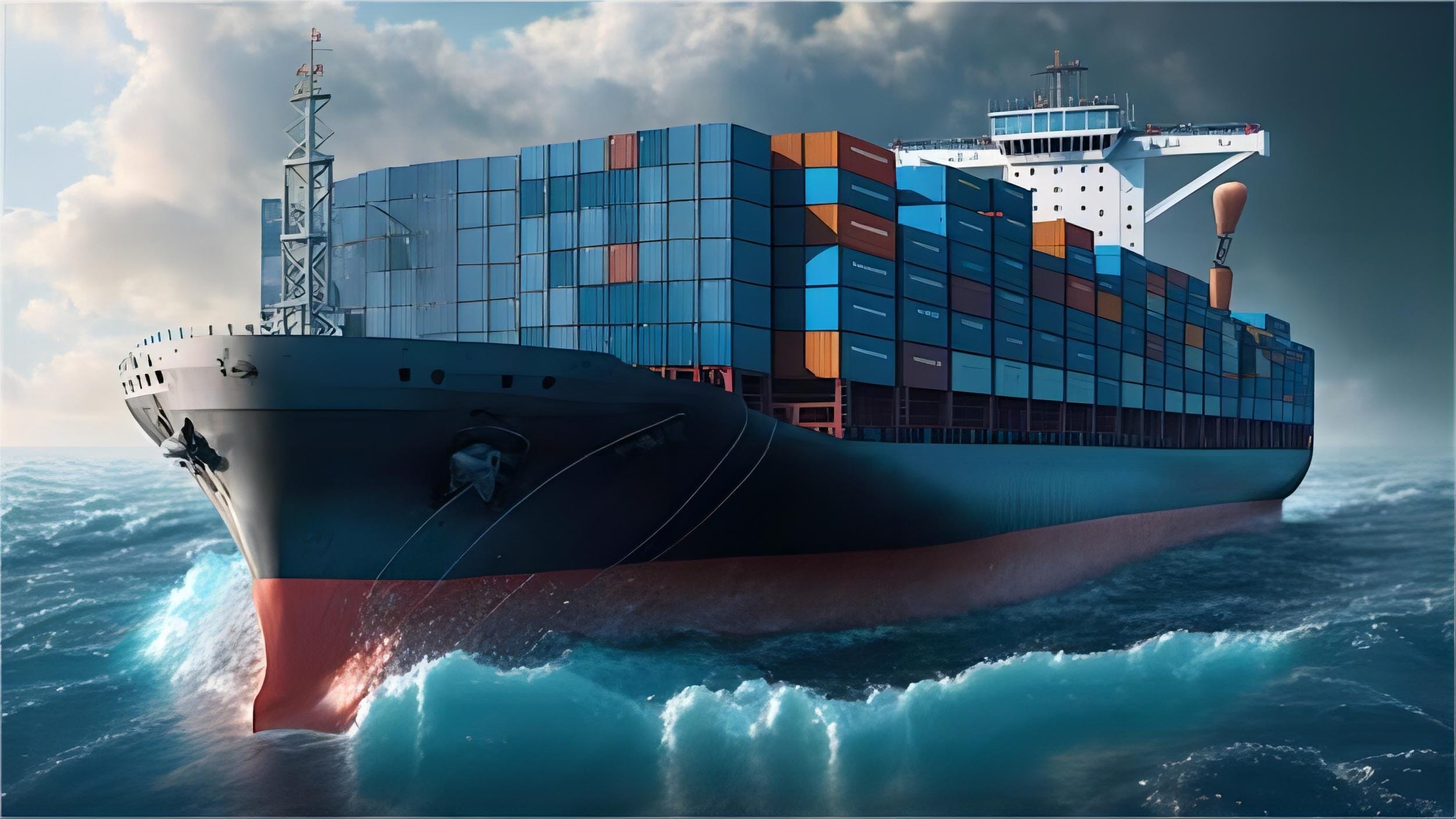
Full Container Load (FCL) shipping is typically the preferred choice for wholesalers moving more than fifteen cubic meters of goods. Specifically, FCL offers a lower cost per unit and reduces the risk of damage since the container is dedicated to a single consignee. Moreover, the lack of consolidation at the port of loading means that FCL shipments often move through the supply chain faster than smaller loads.
Less than Container Load (LCL) serves businesses that do not have enough volume to fill a twenty-foot or forty-foot container. However, LCL involves shared space with other shippers, which adds steps to the logistics process like consolidation and deconsolidation. As a result, LCL can be more expensive per cubic meter and may experience slight delays during the sorting phase at the destination port.
Deciding between these two options depends heavily on your inventory turnover rate and warehouse capacity. If your business requires frequent, smaller shipments to maintain a lean inventory, LCL might be the better tactical choice. Conversely, if you are stockpiling for a major holiday season, FCL provides the security and volume needed to meet high demand.
The Role of Air Freight in Wholesale Supply Chains
Utilizing air freight is often seen as a premium choice, yet it is indispensable for modern wholesale business models. Rapidly changing consumer trends in 2026 mean that products can go out of style within weeks, making speed-to-market a vital metric. Accordingly, many electronics and fashion wholesalers allocate a specific portion of their budget to air transport to capture early-mover advantages.
Security is another major benefit when choosing air transport for sensitive or high-value wholesale cargo. Airports maintain much tighter security protocols compared to seaports, significantly reducing the likelihood of theft or tampering during transit. Furthermore, shorter transit times mean lower insurance premiums, which can partially offset the higher base transport costs.
Strategic Use of Rail Freight for Continental Distribution
Reliable rail freight connections between China and Europe have matured into a powerhouse for wholesale logistics. This method is particularly effective for wholesalers located in Central Europe who want to avoid the congestion of major seaports like Rotterdam or Hamburg. Consequently, rail has become a staple for automotive parts and industrial machinery wholesalers.
Environmental considerations are also pushing more businesses toward rail solutions as part of their corporate social responsibility goals. Rail transport produces significantly fewer emissions than air freight while remaining faster than traditional ocean routes. Therefore, it serves as an excellent strategic alternative for businesses looking to optimize both their carbon footprint and their delivery schedules.
Navigating Customs Brokerage and Compliance
Expert customs brokerage is the backbone of any successful international wholesale operation. Without proper documentation, shipments can be held at the border for weeks, leading to significant storage fees and lost sales opportunities. For instance, wholesalers must ensure that all HS codes are accurate and that all necessary permits for their specific product category are in place before the cargo leaves China.
Regulations in 2026 have become more stringent regarding product safety and origin verification. Wholesalers must now provide detailed proof of compliance with local standards in the destination country. Without a doubt, working with a professional broker who stays updated on these changing laws is the best way to prevent costly legal issues and shipment seizures.
Case Study 1: Electronics Wholesale to Los Angeles
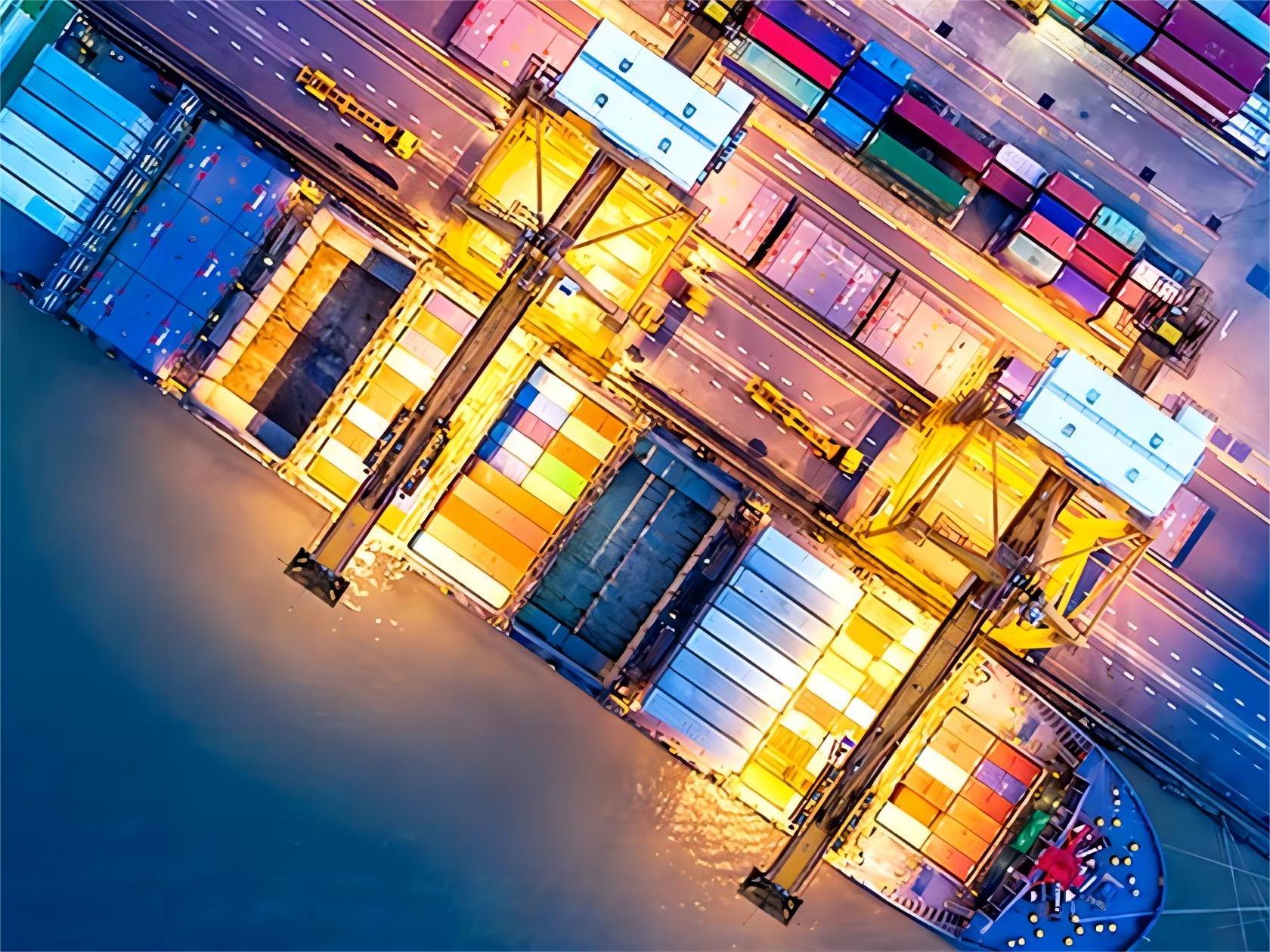
Route: Shenzhen, China to Los Angeles, USA. Cargo: 500 units of high-end consumer electronics. Size: 18 CBM. Method: Sea Freight (FCL 20GP). Total Cost: $3,250 including origin charges. Transit Time: 16 days port-to-port. Key Insight: By using a direct route to the West Coast, the wholesaler saved 12 days compared to an East Coast discharge, allowing them to restock before a major retail event.
Case Study 2: Industrial Parts to Germany
Route: Ningbo, China to Hamburg, Germany. Cargo: Precision machinery components. Size: 4 CBM (LCL). Method: Rail Freight. Total Cost: $1,100. Transit Time: 20 days. Key Insight: The wholesaler chose rail over sea to avoid the 35-day ocean transit, ensuring their manufacturing client remained operational without paying for expensive air freight.
Which Option Should You Choose? Decision Framework
Budget priority: If your primary goal is to minimize landed costs and your lead times are flexible, sea freight is the clear winner. This is especially true for heavy or bulky items where air costs would be prohibitive. Speed priority: When inventory levels are critical or you are launching a new product, air freight or express services are necessary to maintain momentum.
Cargo type considerations: Perishable goods or high-value electronics require the speed and security of air or specialized rail. Volume thresholds: Once your shipment exceeds 15 CBM, always request an FCL quote, as it often becomes cheaper than LCL at that volume. To summarize, your choice should align with your specific business cycle and customer expectations.
Mastering Wholesale Logistics from China
Successfully managing China freight for wholesalers for business is a multifaceted challenge that requires constant attention to market trends and logistics data. By understanding the nuances of different shipping methods and the importance of customs compliance, you can build a resilient supply chain that supports long-term growth. Remember that the cheapest option is not always the best if it compromises your reliability in the eyes of your customers.
As we navigate the complexities of 2026, the businesses that succeed will be those that treat logistics as a strategic asset rather than a simple expense. Partnering with experienced professionals and leveraging the right transport modes will ensure your wholesale business thrives in the global marketplace. Start planning your next shipment today to secure the best rates and transit times available.
Ready to streamline your logistics?
Optimize your supply chain today with professional China freight for wholesalers for business. Contact our team at chinabestforwarder to receive a custom quote and ensure your bulk shipments arrive safely and efficiently. Visit our website to start your inquiry: Visit https://chinabestforwarder.com/
Request Quote