

China to Australia Container Freight Bulk Order Guide for 2026
Managing a china to australia container freight bulk order requires meticulous planning and deep market knowledge to ensure cost-efficiency. Consequently, importers must evaluate current 2026 logistics trends and carrier capacities to maintain a competitive edge in the Australian market. This comprehensive guide provides the essential insights you need to navigate the complexities of high-volume ocean freight and streamline your supply chain operations.

How Much Does a China to Australia Container Freight Bulk Order Cost in 2026?
Determining the exact cost of a bulk shipment involves analyzing multiple variables including fuel surcharges and seasonal demand shifts. Furthermore, market data for early 2026 suggests that freight rates have stabilized compared to the volatility seen in previous years. Businesses typically find that ocean freight remains the most economical choice for large-scale inventory replenishment.
Specifically, the cost for a standard 20-foot or 40-foot container varies based on the port of origin and the specific destination in Australia. Additionally, bulk order discounts are often available for shippers moving more than five containers per month. You should also consider the Impact of the Bunker Adjustment Factor (BAF) which fluctuates with global oil prices.
| Container Type | Average Cost (USD) | Capacity (CBM) | Best For |
|---|---|---|---|
| 20GP Container | $800 – $1,200 | 33 CBM | Heavy machinery, dense goods |
| 40GP Container | $1,200 – $1,800 | 67 CBM | General consumer goods |
| 40HQ Container | $1,400 – $2,000 | 76 CBM | Lightweight, bulky items |
| LCL (per CBM) | $50 – $90 | Variable | Small bulk test orders |
What Are the Primary Shipping Methods for Bulk Orders?
Choosing the right shipping method is vital for balancing speed and expenditure during your procurement process. For most bulk orders, sea freight is the undisputed leader due to its massive capacity and low per-unit cost. Moreover, Full Container Load (FCL) shipping offers the highest level of security for your goods as the container is dedicated solely to your cargo.
In contrast, Less than Container Load (LCL) might be suitable if your bulk order does not quite fill a standard container. However, LCL often involves longer transit times due to the consolidation and deconsolidation processes at the ports. Therefore, most high-volume importers prefer FCL to ensure faster handling and reduced risk of damage.
How Does Sea Freight Compare to Other Shipping Options?
While ocean transport is the standard for bulk orders, comparing it with alternatives like air freight provides a clearer picture of the trade-offs involved. For instance, air freight offers unmatched speed but comes with a significantly higher price tag that can erode profit margins on low-value goods. Consequently, air transport is usually reserved for urgent restocks or high-value electronics rather than general bulk shipments.
Moreover, the environmental impact and weight restrictions of air freight make it less viable for massive industrial orders. Meanwhile, sea freight allows for the transport of hazardous materials and oversized items that other methods cannot accommodate. As a result, 90 percent of bulk trade between China and Australia continues to move via the ocean.
| Method | Cost Range | Transit Time | Limitations |
|---|---|---|---|
| Sea Freight (FCL) | Low ($1,200+) | 12 – 22 Days | Port congestion risks |
| Air Freight | High ($4 – $8/kg) | 3 – 7 Days | Strict weight limits |
| Express Service | Very High | 2 – 5 Days | Small parcels only |
| Sea-Air Hybrid | Moderate | 10 – 14 Days | Complex logistics |
Understanding Transit Times for China to Australia Routes
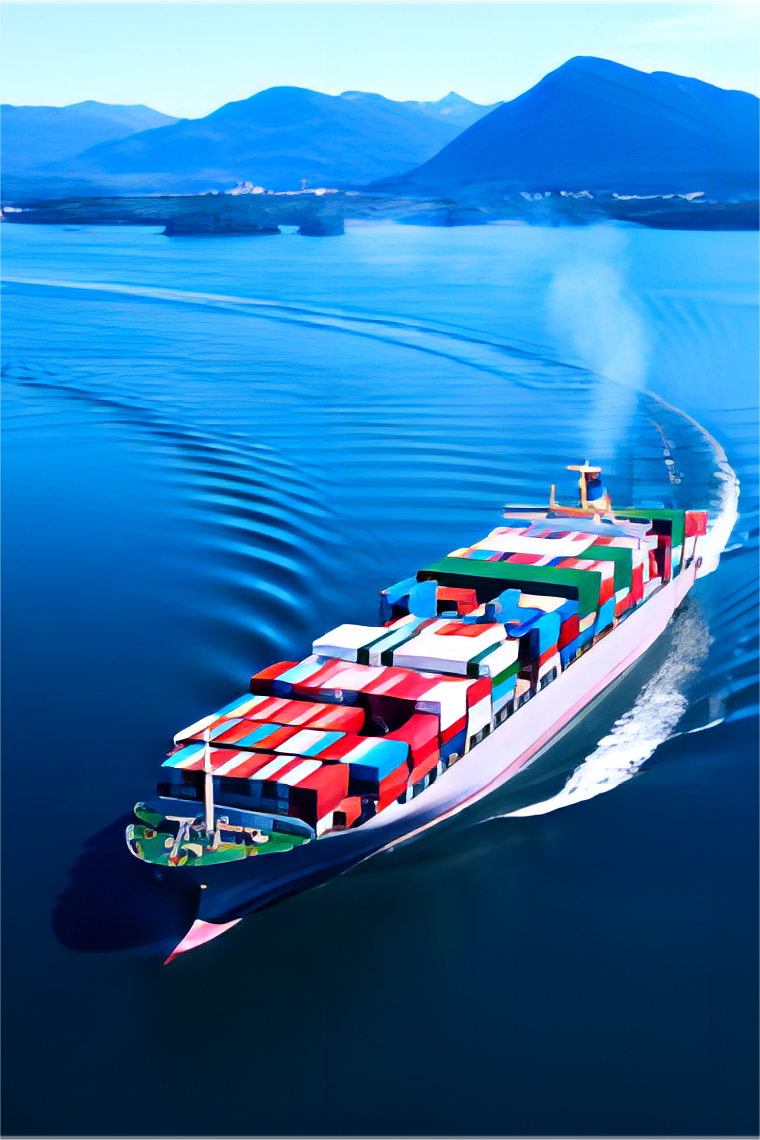
Transit times for a China to Australia container freight bulk order depend heavily on the specific port pair and the carrier’s schedule. For example, shipments from South China ports like Shenzhen or Guangzhou generally reach Brisbane or Sydney faster than those departing from North China. Furthermore, direct routes are always preferable to transshipment options to avoid potential delays at intermediate hubs like Singapore.
According to industry benchmarks for 2026, you should allow for a total door-to-door window of 25 to 35 days. This timeframe accounts for factory pickup, port handling, ocean transit, and final delivery within Australia. Nevertheless, seasonal weather patterns and peak holiday periods can occasionally extend these durations.
| Origin Port | Destination Port | Direct Transit | Transshipment |
|---|---|---|---|
| Shenzhen | Sydney | 12 – 14 Days | 18 – 22 Days |
| Shanghai | Melbourne | 15 – 18 Days | 22 – 26 Days |
| Ningbo | Brisbane | 14 – 17 Days | 20 – 24 Days |
| Qingdao | Perth | 18 – 22 Days | 25 – 30 Days |
Customs Clearance and Regulatory Compliance in Australia
Navigating the legal requirements of the Australian Border Force is a critical step in the import process. Indeed, utilizing a professional customs brokerage service can prevent costly fines and shipment seizures. Australian regulations are particularly strict regarding biosecurity, especially for wooden packaging and organic materials.
Additionally, you must ensure that all commercial invoices and packing lists accurately reflect the contents of your bulk order. Furthermore, understanding the China-Australia Free Trade Agreement (ChAFTA) can lead to significant duty savings for eligible goods. Consequently, proper documentation is the most effective way to ensure your cargo clears customs without unnecessary delays.
Real-World Case Studies for Bulk Order Logistics
Reviewing actual shipping scenarios helps illustrate the practical challenges and costs associated with bulk logistics in 2026. These examples reflect the current market conditions and provide a baseline for your own shipping estimates. Each case study highlights how different cargo types require specific handling and routing strategies.
Case Study 1: Solar Panel Import. Route: Ningbo to Sydney. Cargo: 400 Solar Panels, 68 CBM. Container: 1 x 40HQ. Shipping Details: Direct via COSCO. Ocean Freight: $1,750. Origin/Destination Charges: $600. Total Landed Cost: $2,350. Timeline: 16 Days sea transit, 24 days total. Key Insight: FCL was 30 percent cheaper than LCL for this volume.
Case Study 2: Commercial Furniture. Route: Shenzhen to Melbourne. Cargo: Office Desks and Chairs, 28 CBM. Container: 1 x 20GP. Shipping Details: Direct via Maersk. Ocean Freight: $1,150. Origin/Destination Charges: $550. Total Landed Cost: $1,700. Timeline: 14 Days sea transit, 22 days total. Key Insight: Early booking during the off-peak season saved $200 in freight costs.
Door to Door Logistics for Australian Importers
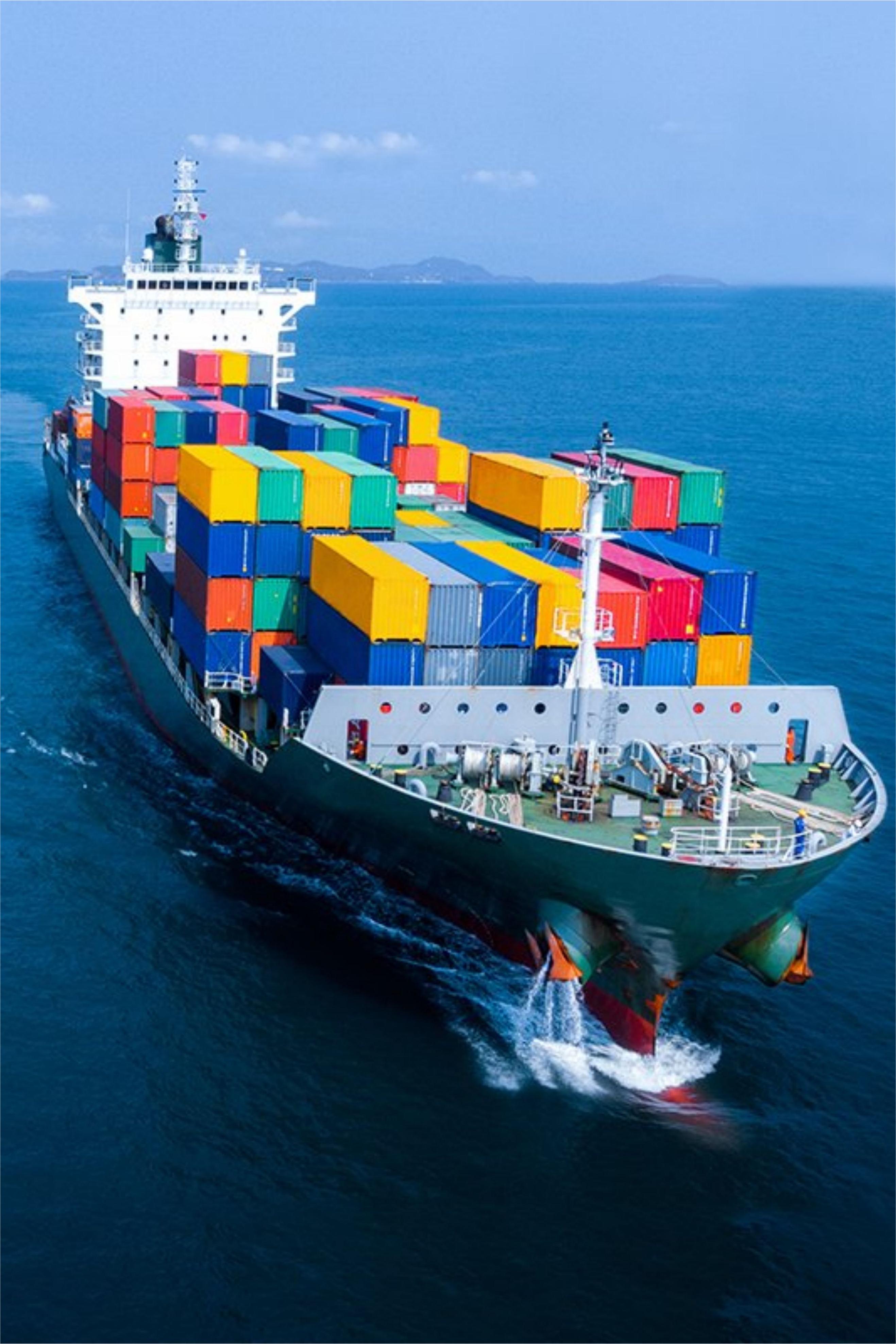
Many modern businesses prefer door to door services to simplify their international trade operations. This model allows the freight forwarder to manage every aspect of the journey from the Chinese factory to the Australian warehouse. Consequently, you can focus on sales and marketing rather than worrying about port logistics and trucking schedules.
Moreover, door-to-door solutions provide better visibility through integrated tracking systems. Although the upfront cost might appear higher, the reduction in administrative overhead and the elimination of hidden fees often result in a lower total cost of ownership. Therefore, it remains a popular choice for SMEs managing bulk orders.
Which Option Should You Choose for Your Bulk Shipment?
Selecting the optimal shipping strategy depends on your specific business priorities, such as budget constraints or delivery deadlines. If your primary goal is cost reduction, then FCL sea freight with a longer lead time is undoubtedly the best approach. On the other hand, if you are launching a new product and need stock immediately, a sea-air hybrid solution might be justified.
Additionally, consider the volume of your shipments over a quarterly period. If you consistently move large volumes, negotiating a long-term contract with a forwarder can provide price stability against market fluctuations. Ultimately, the best choice is one that aligns with your inventory turnover rate and customer demand patterns in Australia.
Summary of Bulk Shipping Success
To summarize, successfully managing a china to australia container freight bulk order in 2026 requires a balance of timing, method selection, and regulatory compliance. By leveraging FCL sea freight and professional customs support, you can significantly reduce your landed costs. Always stay informed about market trends and plan your shipments at least 4-6 weeks in advance to secure the best rates and equipment availability.
Note: Freight rates are subject to change based on fuel costs, carrier capacity, and seasonal demand. Contact us for a current quote tailored to your specific shipment.
Ready to streamline your logistics?
Streamline your supply chain today with a customized quote for your next China to Australia container freight bulk order. Visit our inquiry page to get started: Send Inquiry
Request Quote