
China Warehouse and Fulfillment Bulk Order Solutions 2026
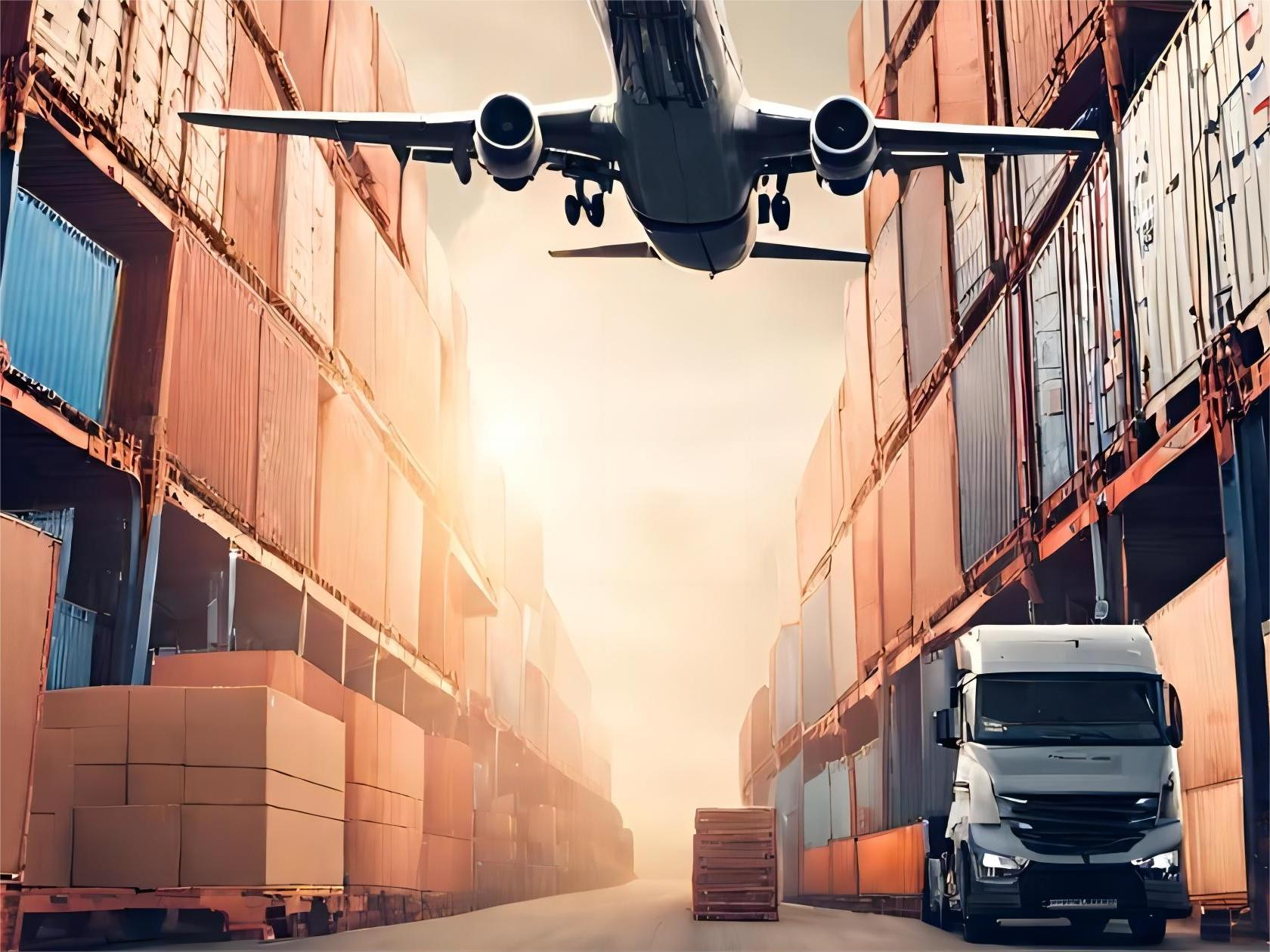
Scaling a global business requires a sophisticated approach to logistics, particularly when managing a china warehouse and fulfillment bulk order strategy. Many importers face challenges with inventory management and high shipping costs, yet professional 3PL services provide the necessary infrastructure to streamline these operations. By utilizing a centralized hub in China, businesses can significantly reduce overhead while maintaining high order accuracy. This guide provides a comprehensive overview of how to leverage Chinese logistics to dominate your market in 2026. Visit China Best Forwarder to start optimizing your supply chain today.

Why Choose China Warehouse and Fulfillment Bulk Order in 2026?
Navigating the complexities of international trade demands a reliable foundation in the country of origin. Consequently, many successful e-commerce brands have moved their primary fulfillment operations directly to China to capitalize on proximity to manufacturers. This strategic shift allows for faster quality control interventions and immediate inventory updates. Furthermore, storing goods near the source reduces the need for multiple long-haul shipments, lowering the overall carbon footprint of your supply chain.
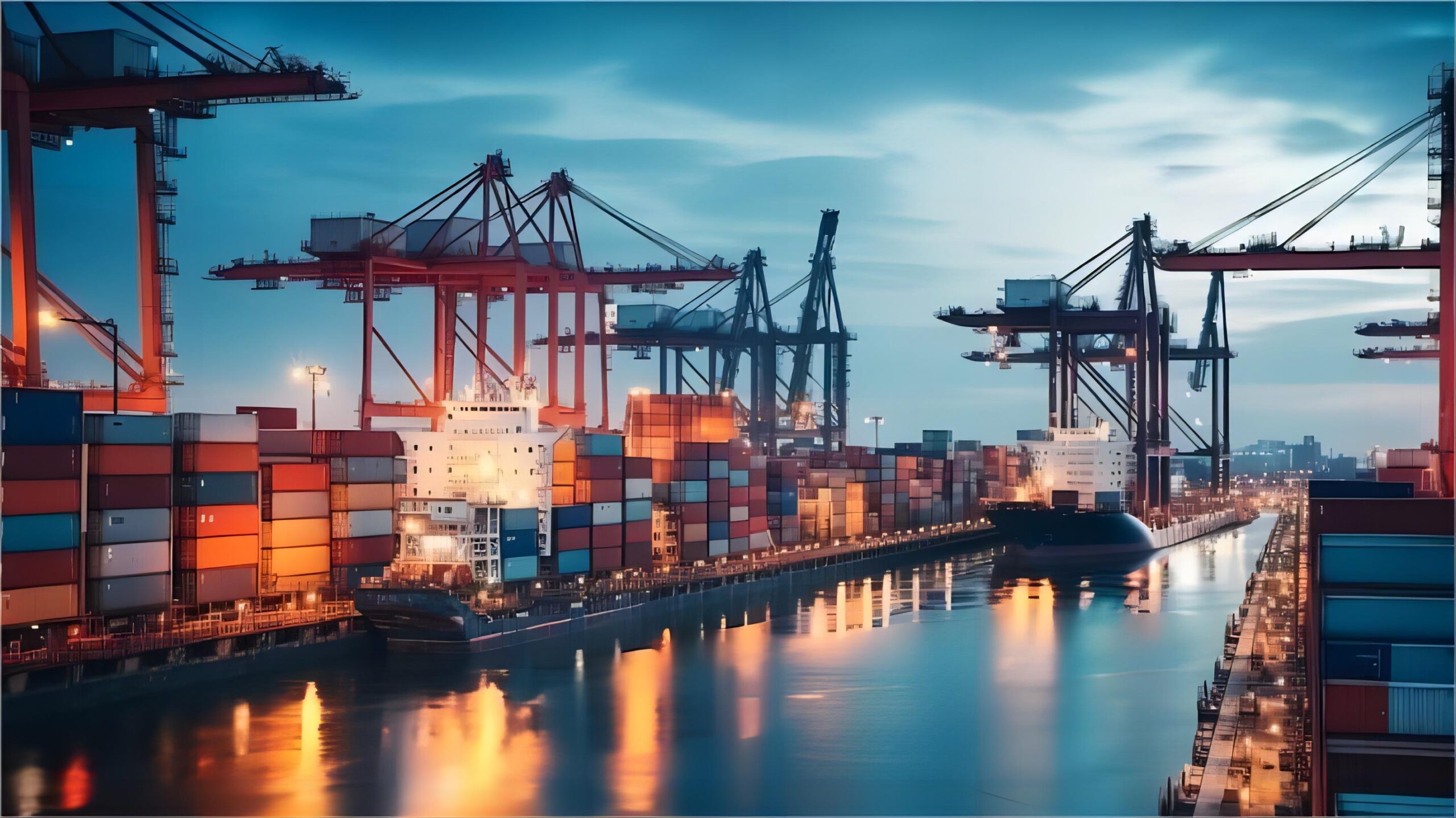
Market data suggests that 2026 will see a 15% increase in cross-border bulk order volume as businesses move away from localized warehousing. Indeed, the cost of commercial real estate in North America and Europe continues to climb, making Chinese storage solutions even more attractive. Professional warehouses in Shenzhen or Ningbo offer advanced robotics and AI-driven management systems that ensure 99.9% order accuracy. As a result, companies can focus on marketing and sales while the heavy lifting is handled by experts on the ground.
Additionally, bulk order consolidation plays a vital role in maintaining healthy profit margins. Instead of shipping individual units, businesses can group products into larger containers, significantly reducing the per-unit shipping cost. This method is particularly effective for businesses dealing with high-volume, low-margin products. Meanwhile, the integration of real-time tracking software provides transparency, allowing stakeholders to monitor stock levels from anywhere in the world.
How Does Bulk Order Fulfillment Compare to Other Shipping Options?
Understanding the differences between shipping methods is essential for any business managing a china warehouse and fulfillment bulk order. While small parcel shipping is convenient for individual customer orders, it becomes prohibitively expensive at scale. On the other hand, bulk fulfillment allows you to move massive quantities of inventory via ocean or rail, which are far more cost-effective for large volumes. Nevertheless, each method has its own set of trade-offs regarding speed and reliability.
For instance, direct-to-consumer shipping from China might take 7 to 14 days but incurs high individual postage fees. In contrast, bulk shipping to a regional distribution center involves a larger upfront cost but drastically reduces the final delivery time to the end customer. Moreover, bulk shipping allows for better packaging optimization, which prevents damage during transit. Without a doubt, choosing the right mix of services is the key to balancing cost and customer satisfaction.
| Shipping Method | Cost Range | Transit Time | Best For |
|---|---|---|---|
| Sea Freight (FCL) | $1,800 – $4,500 | 18 – 35 Days | Maximum Volume |
| Air Freight | $4.50 – $9.00/kg | 3 – 7 Days | Urgent Shipments |
| Rail Freight | $1,100 – $2,300 | 15 – 22 Days | Eco-friendly/Stable |
| Express Service | $7.00 – $15.00/kg | 2 – 5 Days | Samples/Small Bulk |
Choosing Between Sea, Air, and Rail for Bulk Orders
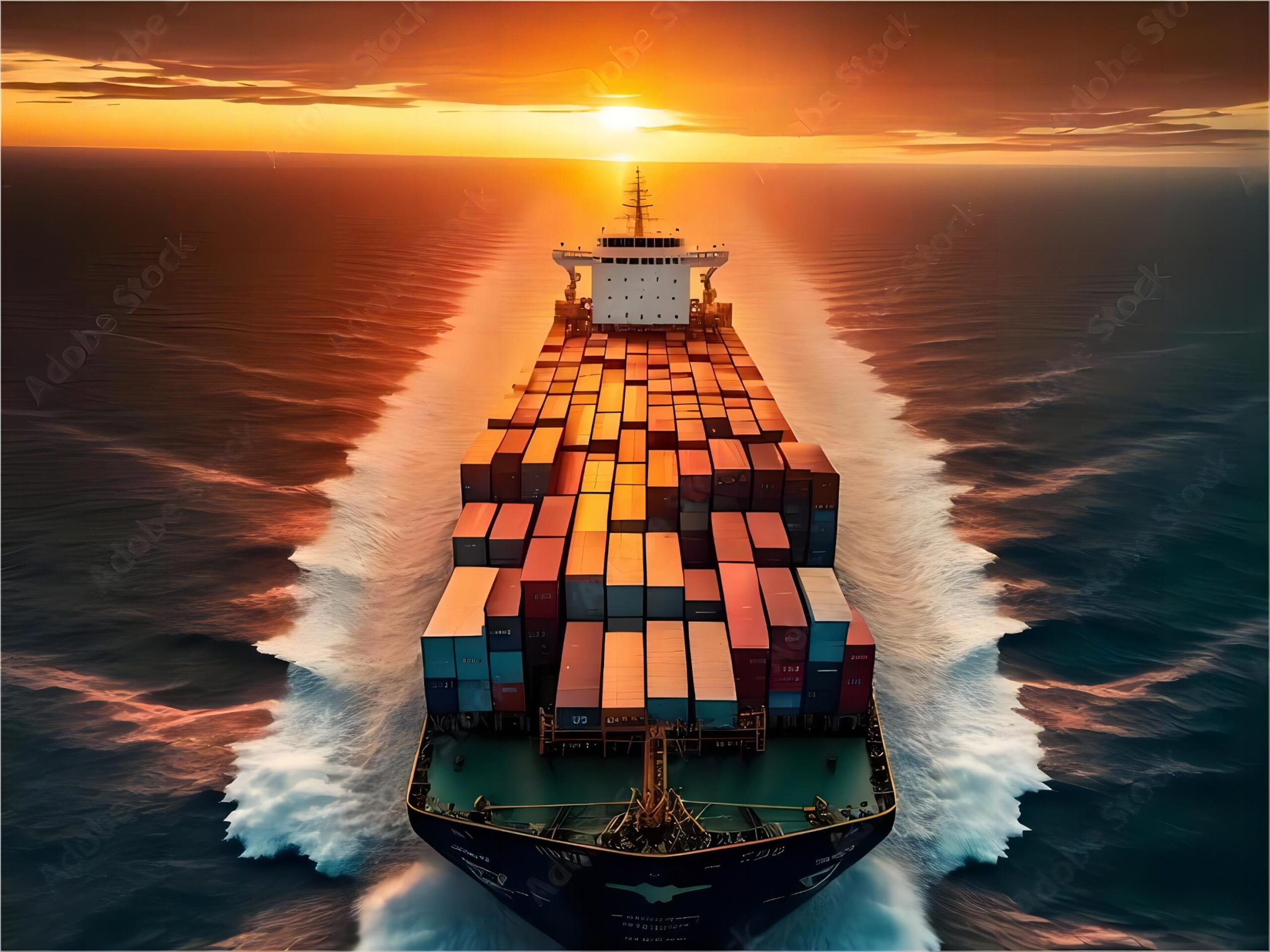
Selecting the appropriate transport mode depends heavily on your budget and delivery schedule. For massive inventories, sea freight remains the gold standard due to its unmatched capacity and low pricing. Most businesses utilize 40HQ containers to maximize space and minimize the cost per cubic meter. However, if your products have a short shelf life or high seasonal demand, you might need a faster alternative.
Alternatively, air freight provides the speed necessary to restock popular items quickly. While the price is higher, the reduction in transit time can prevent lost sales due to out-of-stock scenarios. During the 2026 peak season, air rates are expected to fluctuate based on fuel surcharges and carrier capacity. Therefore, it is wise to book space at least two weeks in advance to secure the best possible rates.
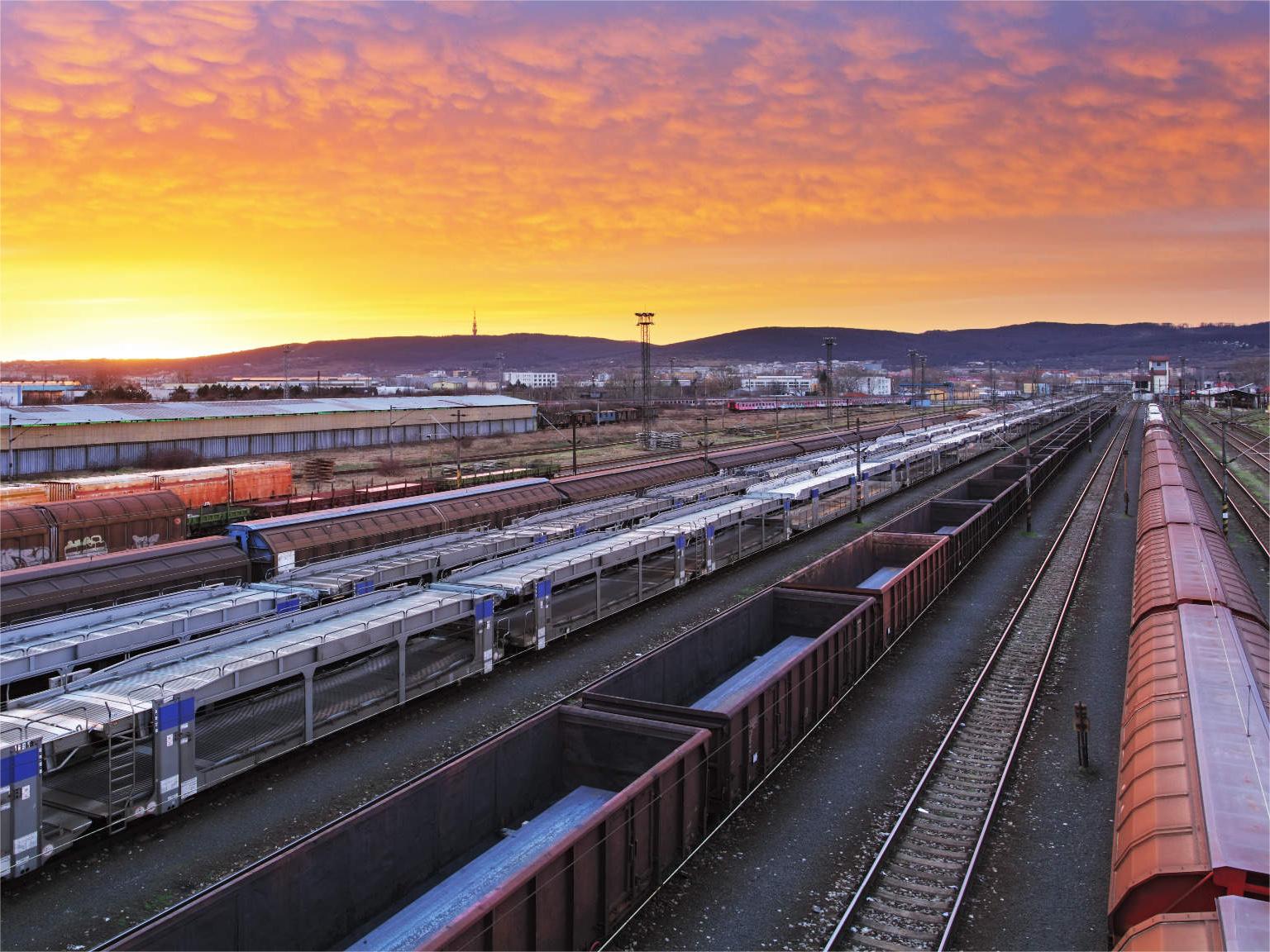
Rail freight serves as an excellent middle ground, especially for shipments heading to Central Asia or Eastern Europe. It offers a faster transit time than sea freight while remaining significantly cheaper than air transport. Consequently, many electronics and automotive parts suppliers prefer rail for its stability and predictable schedules. Note: Freight rates are subject to change based on fuel costs, carrier capacity, and seasonal demand. Contact us for a current quote tailored to your specific shipment.
Managing Inventory in China Distribution Centers
Effective inventory management is the heart of any successful china warehouse and fulfillment bulk order operation. Professional 3PL providers offer sophisticated Warehouse Management Systems (WMS) that integrate directly with your e-commerce platforms. This integration ensures that every time a bulk order is processed, your stock levels are updated in real-time across all sales channels. Furthermore, having your inventory in China allows for easier kitting and assembly before the final shipment.
Many sellers also utilize these hubs to prepare goods for Amazon FBA requirements. By labeling and palletizing products in China, you avoid the high labor costs associated with doing this work in the destination country. Moreover, quality control teams can inspect bulk orders before they leave the warehouse, ensuring that only perfect products reach the end consumer. This proactive approach significantly reduces return rates and improves your brand reputation.
Security is another critical factor when storing large volumes of goods. Modern Chinese warehouses feature 24/7 surveillance, climate control, and advanced fire suppression systems. Additionally, they offer flexible storage terms, allowing you to scale your space up or down based on seasonal needs. This flexibility is essential for managing the ebb and flow of global demand in 2026.
The Process of Bulk Order Consolidation
Consolidation is the process of combining multiple smaller shipments into one large bulk order to save on costs. This strategy is particularly beneficial for businesses sourcing products from multiple different suppliers across China. Instead of paying for five separate LCL shipments, you can have all suppliers send their goods to a central warehouse. Once all items arrive, the 3PL provider consolidates them into a single FCL container.
Using a door to door service for consolidated shipments further simplifies the logistics chain. The forwarder handles everything from the initial pickup at the factory to the final delivery at your warehouse or retail store. Consequently, you save time on administrative tasks and reduce the risk of communication errors between different logistics providers. For instance, a single point of contact can manage customs clearance and local trucking at both the origin and destination.
Real-World Case Studies for Bulk Logistics
To illustrate the effectiveness of these strategies, let us examine some recent examples from the first half of 2026. These cases highlight how different businesses optimized their china warehouse and fulfillment bulk order processes to achieve better results. Each scenario demonstrates the importance of choosing the right shipping method and warehouse partner.
Case Study 1: Consumer Electronics Scale-up Route: Shenzhen, China Los Angeles, USA Cargo: Smart Home Devices, 68 CBM, 12,500 kg Container: 40HQ Full Container Load Shipping Details: – Carrier/Service: COSCO Direct – Port of Loading: Yantian (Shenzhen) – Port of Discharge: Port of Los Angeles – Route Type: Direct Cost Breakdown: – Ocean Freight: $3,200 – Origin Charges: $450 – Destination Charges: $600 – Customs & Duties: $4,500 – Total Landed Cost: $8,750 Timeline: – Booking to Loading: 4 days – Sea Transit: 15 days – Customs Clearance: 2 days – Total Door-to-Door: 24 days Key Insight: Using FCL instead of multiple LCL shipments saved the client 22% in total shipping costs.
Case Study 2: Fashion Apparel Distribution Route: Ningbo, China Hamburg, Germany Cargo: Winter Jackets, 12 CBM, 2,800 kg Container: LCL (Less than Container Load) Shipping Details: – Carrier/Service: Maersk LCL Service – Port of Loading: Ningbo-Zhoushan – Port of Discharge: Hamburg – Route Type: Transshipment via Singapore Cost Breakdown: – Ocean Freight: $950 – Origin Charges: $280 – Destination Charges: $420 – Customs & Duties: $1,200 – Total Landed Cost: $2,850 Timeline: – Booking to Loading: 3 days – Sea Transit: 32 days – Customs Clearance: 3 days – Total Door-to-Door: 42 days Key Insight: Consolidating items from three suppliers in Ningbo reduced origin documentation fees by 40%.
Customs and Documentation for Bulk Shipments
Navigating customs is often the most stressful part of a china warehouse and fulfillment bulk order. Accurate documentation is non-negotiable, as even a minor error can lead to costly delays and storage fees at the port. Therefore, working with an experienced broker is essential to ensure all paperwork complies with international regulations. In 2026, many customs authorities have shifted to digital-first filing systems, requiring precise HS code classification.
Moreover, bulk orders often require specific certificates depending on the product type. For instance, electronics may need FCC or CE certifications, while textiles might require origin certificates to qualify for reduced tariffs. Keeping these documents organized within your warehouse management system allows for rapid retrieval during audits. Without a doubt, being prepared is the best way to avoid the ‘red lane’ inspections that can stall your inventory for weeks.
| Document Name | Purpose | Required By | Responsibility |
|---|---|---|---|
| Commercial Invoice | Proof of Transaction | Customs | Exporter |
| Packing List | Inventory Detail | Carrier/Customs | Warehouse |
| Bill of Lading | Title of Goods | Carrier | Shipping Line |
| Certificate of Origin | Tariff Calculation | Customs | Manufacturer |
Cost-Saving Strategies for 2026
Reducing costs in your china warehouse and fulfillment bulk order strategy requires a multi-faceted approach. One effective method is to utilize ‘Free Trade Zones’ (FTZ) in China, which allow you to store goods without paying import duties until they are shipped out. Additionally, optimizing your packaging design can lead to significant savings. By reducing the size of individual boxes, you can fit more units into a single container, lowering the shipping cost per item.
Another strategy is to monitor freight market trends closely. Rates typically increase by 20-30% during the peak season from August to October. Consequently, shipping your bulk orders in the ‘off-season’ can save thousands of dollars. For those shipping to Europe, exploring rail options during sea freight price spikes is a smart tactical move. Meanwhile, long-term contracts with freight forwarders can provide price stability in a volatile market.
Which Option Should You Choose?
Determining the best logistics path depends on your specific business goals. If your priority is absolute lowest cost and you have high volume, sea freight is the only logical choice. However, if you are launching a new product and need it in the hands of customers quickly, air freight serves as a valuable tool. For businesses shipping to North America, balancing lead times with inventory holding costs is the primary challenge.
In summary, a hybrid approach often works best. You might ship 80% of your inventory via sea freight to maintain a steady baseline of stock, while using air freight for 20% to handle unexpected demand spikes. This diversification protects your supply chain from disruptions and ensures you never miss a sales opportunity. Indeed, the most successful companies in 2026 are those that remain agile and data-driven in their logistics planning.
Future Trends in China Warehouse and Fulfillment
As we look further into 2026, the integration of blockchain for supply chain transparency is becoming standard practice. This technology allows every stakeholder in the china warehouse and fulfillment bulk order process to verify the location and status of goods instantly. Furthermore, green logistics initiatives are gaining momentum, with more warehouses adopting solar power and electric delivery fleets. Staying ahead of these trends will not only save money but also appeal to environmentally conscious consumers.
Additionally, the use of predictive analytics is helping businesses anticipate demand more accurately. By analyzing historical data, companies can position their bulk orders in the right warehouses before the rush begins. Consequently, this reduces the need for expensive last-minute shipping. Meanwhile, the rise of automated micro-fulfillment centers in China is making it possible to process bulk orders faster than ever before.
Mastering Your Bulk Logistics Strategy
In conclusion, implementing a robust china warehouse and fulfillment bulk order system is essential for any business looking to scale in the modern global economy. By leveraging the cost advantages of Chinese warehousing and the efficiency of consolidated shipping, you can significantly improve your bottom line. Whether you choose sea, air, or rail, the key is to work with a partner who understands the nuances of international trade in 2026.
Professional logistics management allows you to overcome the hurdles of customs, inventory tracking, and rising freight rates. As the market continues to evolve, staying informed and adaptable will ensure your business remains competitive. Start optimizing your China-based operations today and watch your business reach new heights of success.
Need a tailored shipping solution?
Ready to streamline your china warehouse and fulfillment bulk order process? Contact our expert team today for a customized quote and take the first step toward a more efficient global supply chain.